
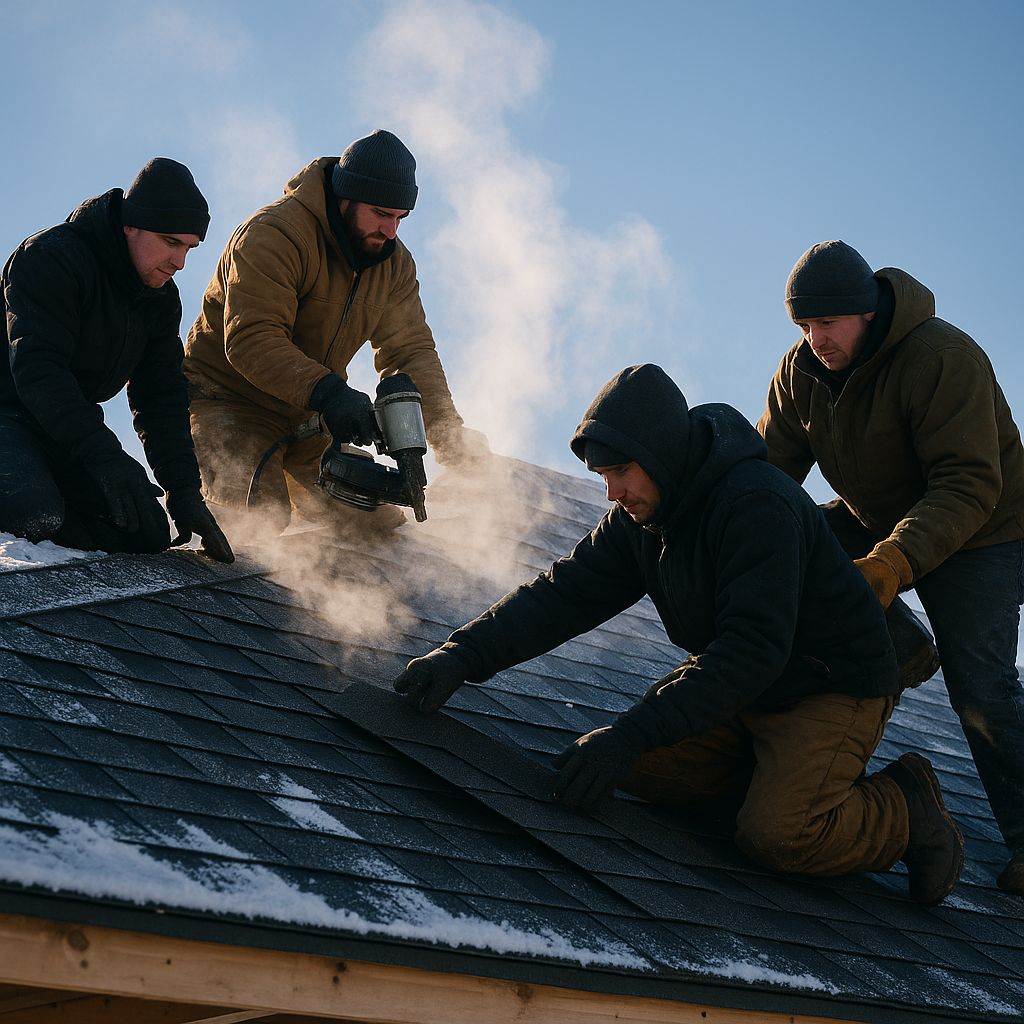
Winter installations of asphalt shingle roofs require advanced planning and technical expertise to ensure long-term performance and protection for your property.
Key Considerations for Cold Weather Asphalt Shingle Installation
Replacing or installing an asphalt shingle roof during the winter months in Pittsburgh and surrounding areas presents unique challenges that demand careful project planning. Temperatures frequently drop below the manufacturer-recommended minimums for shingle installation, typically around 40°F (4°C). This can affect material flexibility and the ability to properly seal shingles, making it critical to assess daily weather patterns before starting the project. For a comprehensive overview of the challenges of installing a new roof in cold weather, including why temperatures matter, check out our detailed guide.
Proper storage and acclimation of materials are vital. Shingles should be kept in a dry, heated environment until immediately before use to prevent brittleness and cracking during installation. Additionally, scheduling installations during midday, when temperatures are highest, can mitigate some risks associated with cold weather.
Optimizing Asphalt Shingle Installation Techniques for Cold-Weather Performance
To ensure optimal performance and longevity of your roof, specialized installation techniques must be employed during the winter. Roofing crews should use pneumatic nailers with adjusted pressure settings to account for the increased rigidity of cold shingles and underlayment. Hand-sealing shingles with approved roofing adhesives is essential, as the self-sealing strips on asphalt shingles may not activate properly in cold temperatures.
Experienced roofing contractors like Bella Construction & Development Inc. also implement strict quality checks at each phase, ensuring that fasteners penetrate cleanly and that shingles are correctly aligned. By utilizing advanced project management practices and adhering to manufacturer protocols, winter roofing projects can achieve the same level of durability as those installed in milder conditions. Learn more about the importance of proper installation and why it's not just about the materials in our detailed guide.
Challenges and Solutions for Ensuring Shingle Adhesion in Low Temperatures
One of the primary concerns with winter asphalt shingle installation is achieving reliable adhesion. Low temperatures prevent the factory-applied adhesive strips from bonding, increasing the risk of shingle blow-off from wind uplift before warmer weather allows full sealing. To counteract this, professional contractors manually apply roofing cement or adhesive to each shingle tab, especially along eaves, rakes, and ridges.
Additionally, temporary mechanical fastening methods may be used to supplement adhesion until the shingles naturally bond in spring. Regular site inspections and post-installation reviews are crucial to confirm that all shingles are securely attached, minimizing future maintenance costs and protecting warranty coverage.
Safety Protocols and Best Practices for Winter Roofing Projects
Safety is paramount in any roofing project, but winter conditions introduce heightened risks such as slippery surfaces, hidden ice, and unpredictable weather events. Bella Construction & Development Inc. enforces comprehensive safety protocols, including the use of fall protection systems, non-slip footwear, and regular site inspections to identify and mitigate hazards.
Crews are trained to monitor weather forecasts closely, suspending work during snow, freezing rain, or high winds. Proper ladder placement, clear walkways, and timely snow or ice removal from the roof surface are standard practices. By following OSHA and local building safety codes and maintaining open communication with property owners, we ensure that winter roofing projects are completed efficiently, safely, and to the highest standards of quality. For more information on how to maintain your roof and extend its life, including tips for winter care, check out our comprehensive guide.