
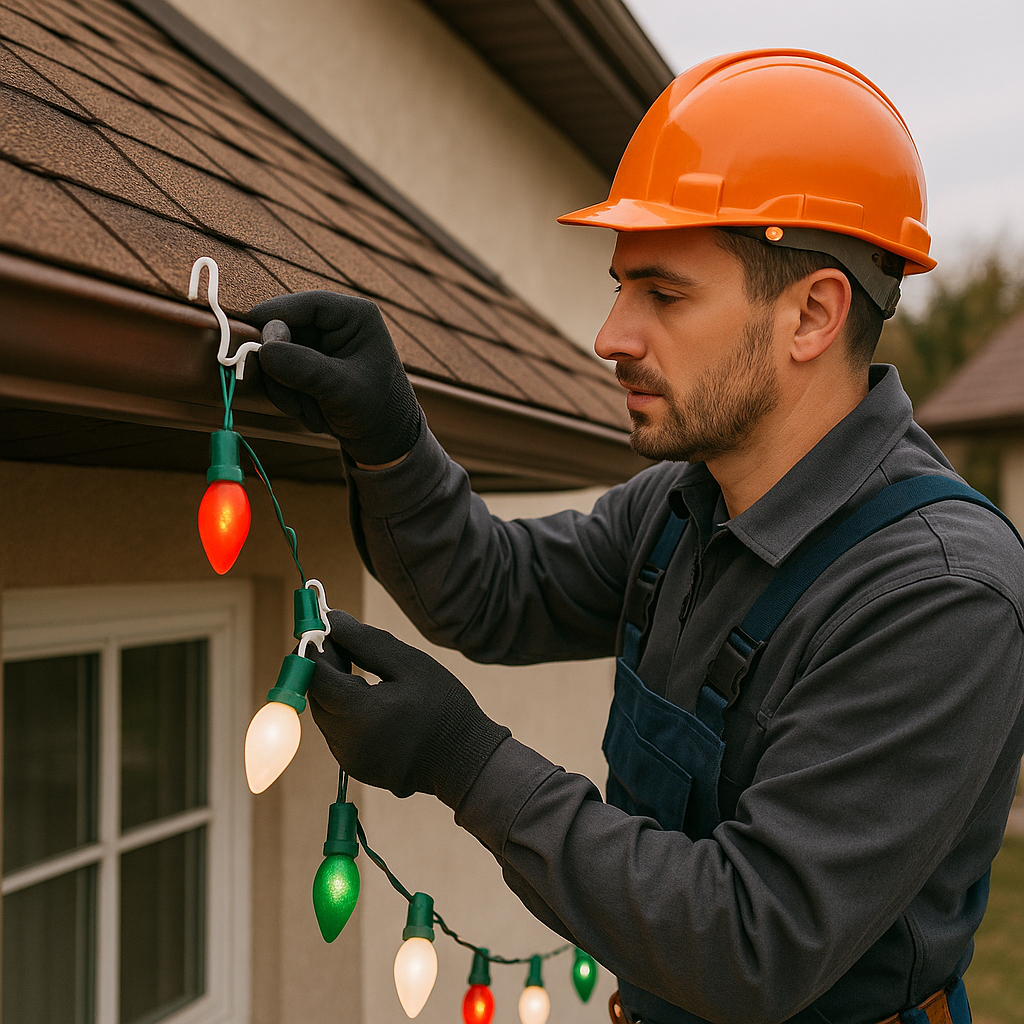
Ensure your holiday lights shine safely and securely by choosing the right Christmas light hooks for your roof—protect your property and enjoy peace of mind all season long.
Why Roof Safety Matters When Installing Christmas Lights
Roof safety is a critical consideration when installing Christmas lights on any residential or commercial property. Climbing onto your roof, especially during winter months, introduces significant risks such as slips, falls, and accidental damage to roofing materials. Proper safety protocols, including the use of fall protection equipment and stable ladders, are essential for both homeowners and professionals. For a comprehensive guide on roofing safety best practices, check out our article on Roofing Safety First: Best Practices For Homeowners And Contractors.
Beyond personal safety, improper installation can jeopardize the integrity of your roofing system. Incorrectly fastened hooks or careless movement can puncture shingles, dislodge flashing, or compromise waterproofing barriers. These issues increase the likelihood of leaks, insulation damage, and, ultimately, costly repairs. To learn more about potential roofing issues and how to identify them, read our guide on How to Check if Your Roof Needs Repairs. Prioritizing roof safety ensures both a stunning holiday display and the ongoing protection of your property investment.
Types of Christmas Light Hooks: Pros, Cons, and Best Use Cases
There are several types of Christmas light hooks designed to accommodate different roofing materials and display preferences. Popular options include gutter hooks, shingle clips, magnetic hooks, and adhesive-backed clips. Gutter hooks are ideal for homes with accessible gutters, offering a non-invasive solution with minimal risk to roofing materials. Shingle clips are engineered to slide under asphalt shingles without causing damage, making them suitable for most pitched roofs.
Magnetic hooks provide a secure attachment for metal roofing systems, while adhesive clips are best reserved for smooth, non-porous surfaces. Each hook type presents unique advantages; however, it is important to consider factors such as local weather conditions, roof pitch, and material compatibility. Selecting the proper hook ensures both aesthetic appeal and long-term durability of your holiday lighting installation.
Choosing Hooks That Protect Roofing Materials and Warranties
Selecting the right hooks is not just about achieving a stable display—it's also vital to protect the longevity of your roofing materials and maintain manufacturer warranties. Many roofing warranties can be voided by improper installations or by the physical penetration of roofing membranes, shingles, or flashing. Non-penetrating hooks, such as shingle clips or gutter hooks, are specifically engineered to avoid puncturing or dislodging critical roofing components. For a deeper understanding of roofing warranties and how to protect your investment, read our article on Navigating Roofing Warranties: What Homeowners Need to Know.
When choosing hooks, always verify compatibility with your roof type and confirm that the installation method is approved by your roofing manufacturer. Consult documentation from trusted brands like Owens Corning or reach out to your contractor for guidance. For more information on Owens Corning roofing products and their benefits, check out our blog post Unveiling Owens Corning Roofing Benefits. By prioritizing non-destructive attachment methods, you benefit from both a beautiful holiday display and peace of mind regarding your roof's long-term protection.
Professional Installation Tips for a Safe and Durable Display
Professional-grade holiday lighting installations rely on strict adherence to safety and quality standards. Begin by inspecting your roof and gutters for any existing damage or wear before installation. Use OSHA-compliant ladders, harnesses, and fall protection equipment to minimize risks when working at height. Always organize your lights and hooks on the ground to streamline the attachment process and reduce time spent on the roof.
Attach lights only on dry days to prevent slips, and avoid overloading outlets or connecting too many light strands to one circuit to reduce electrical hazards. Space hooks evenly to distribute weight and tension, preventing unnecessary stress on both the lights and the roof structure. If you are uncertain about best practices or working on steep or complex rooflines, consider partnering with an experienced roofing contractor to ensure your display is both stunning and secure.
Maintaining Roof Integrity After Holiday Decorations
Once the holiday season concludes, proper removal of light hooks is just as crucial as their installation. Remove all hooks and decorations carefully to avoid pulling up shingles, damaging gutters, or leaving adhesive residue. Inspect your roof and gutters thoroughly for any signs of wear or damage—promptly addressing any issues will help maintain your roof's integrity and extend its life. For a comprehensive guide on maintaining your roof throughout the year, read our Seasonal Roof Maintenance Tips.
Document your roof’s condition with photos before and after decoration to assist with warranty claims or future maintenance planning. Schedule regular roof inspections, especially after the winter months, to detect and repair any hidden damage caused by decorations or harsh weather. Taking these proactive steps ensures your roof remains in top condition, safeguarding your home or building investment year-round.