
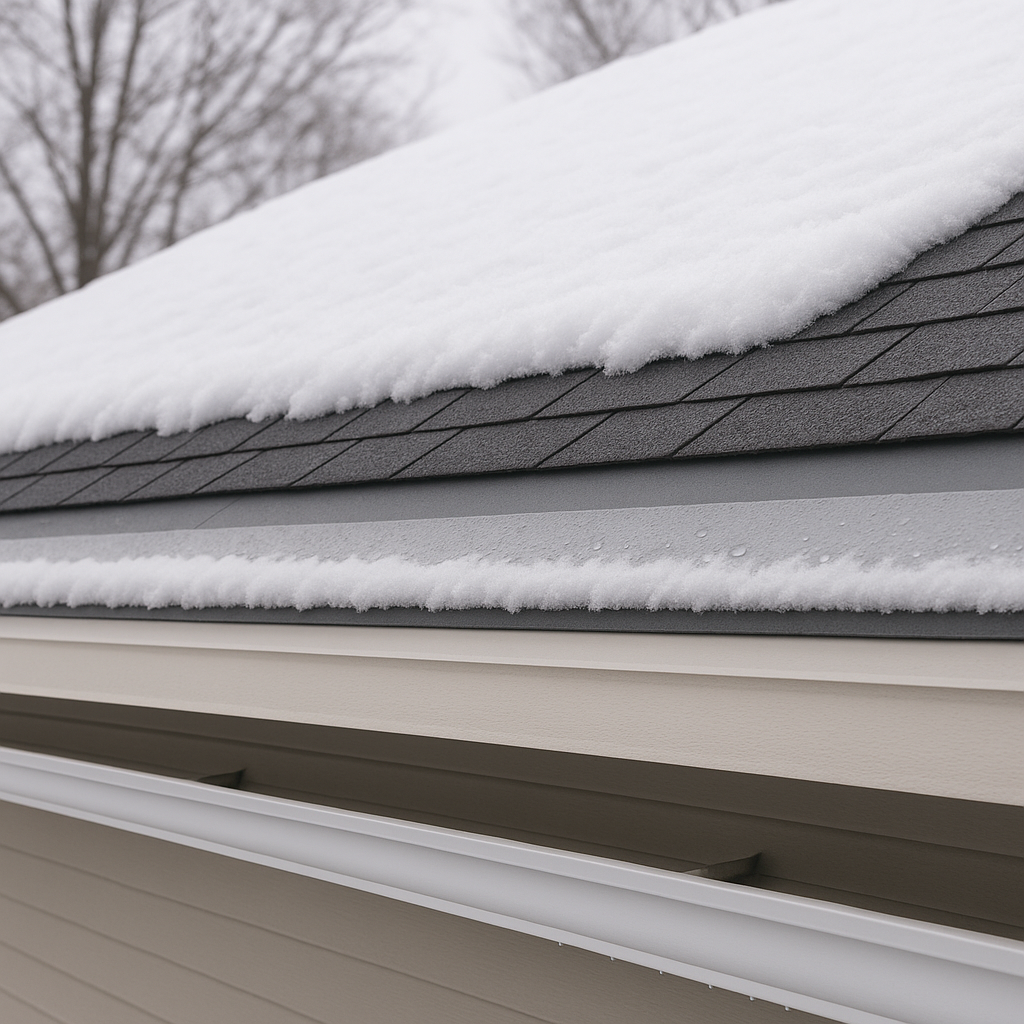
Safeguard your home from winter water damage with proven construction strategies to prevent ice dams and protect your roof's integrity.
Understanding the Causes and Risks of Ice Dams
Ice dams form when accumulated snow on a roof melts and refreezes at the eaves, creating barriers that prevent proper drainage. This process is typically triggered by uneven roof surface temperatures, with warmer areas causing snow to melt and colder sections refreezing the runoff. For more information on how to prevent this issue, check out our guide on How to Prevent Ice Damming: Protect Your Roof This Winter.
The risks associated with ice dams are significant for both residential and commercial properties. Water trapped by ice dams can back up beneath shingles, leading to leaks, interior water damage, compromised insulation, and even structural deterioration. To learn more about the potential dangers and signs of trapped moisture under shingles, visit our detailed guide. Proactive prevention is crucial to protecting your property investment and ensuring roof longevity.
What causes Ice Dams
Several factors contribute to the formation of ice dams, including inadequate attic insulation, poor ventilation, and fluctuating exterior temperatures. Warm air escaping from the living space into the attic heats the roof deck, while the colder eaves remain below freezing. To understand the critical role of proper ventilation in preventing these issues, read our article on The Importance of Ventilation in Your Roofing System.
Additional contributors include clogged gutters, complex roof designs, and the presence of roof penetrations such as skylights and vents. Understanding these causes allows homeowners and contractors to implement targeted prevention strategies.
Best Construction Practices for Ice Dam Prevention
To effectively prevent ice dams, construction best practices must be integrated from the outset. This includes designing roofs with proper pitch and overhangs to facilitate natural drainage and minimize snow accumulation. For a comprehensive guide on preparing your roof for snow and ice, including inspection and repair tips, check out our detailed article.
Installation of waterproof underlayments along eaves, valleys, and around penetrations forms a secondary barrier against water ingress. These measures, combined with precise flashing details and code-compliant materials, ensure long-term protection.
Insulation and Ventilation: Key Defenses Against Ice Buildup
Optimal attic insulation reduces heat transfer from the living space to the roof, maintaining a consistent roof deck temperature and minimizing snowmelt. Use of high-performance insulation materials and correct installation methods are critical for energy efficiency and ice dam prevention. Learn more about effective ways to prevent ice dams on your roof, including proper insulation techniques.
Balanced attic ventilation—achieved through soffit, ridge, and gable vents—ensures continuous airflow. This equilibrium prevents hot spots on the roof and supports moisture control, both of which are essential to defending against ice buildup.
How do skylights impact my roof and what does ice daming around my skylight do?
Skylights are a common source of localized heat loss, which can accelerate snowmelt and promote ice dam formation around their perimeter. Improperly insulated or installed skylights can magnify this effect, increasing the risk of leaks and water intrusion. For more information on addressing common skylight problems, including leaks and condensation, visit our comprehensive guide.
Ice dams around skylights often lead to water pooling and seepage, which may cause drywall staining, structural wood rot, and interior mold growth. Routine inspection and professional skylight replacement or repair are recommended to maintain a watertight roof system.
Material Selection and Installation for Long-Term Protection
Selecting high-quality roofing materials and proper installation are fundamental to mitigating ice dam risks. Modern asphalt shingles, metal roofing, and advanced waterproof membranes offer superior durability and water resistance when installed by certified professionals.
Meticulous installation of flashing, especially around roof penetrations and skylights, is vital. Choosing products with extended manufacturer warranties and certified contractor installation ensures compliance with industry standards and long-term roofing performance.
Seasonal Maintenance Tips for Lasting Roof Performance
Regular maintenance is essential to prevent ice dam formation and preserve roof integrity. This includes clearing debris from gutters and downspouts, inspecting attic insulation, and ensuring ventilation systems are unobstructed. For a comprehensive guide on seasonal roof maintenance tips, check out our expert advice from Bella Construction.
Seasonal roof and skylight inspections by experienced professionals can identify vulnerabilities before winter. Timely repairs and upgrades, such as adding insulation or replacing aging skylights, help homeowners avoid costly water damage and extend the life of their roofing system. Learn how to check if your roof needs repairs with our step-by-step guide.
FAQ - Ice Damming on your Home
Q: Can skylight leaking be caused by ice dams? A: Yes, ice dams around skylights are a leading cause of leaks due to trapped water penetrating weak points in flashing or seals.
Q: How often should I inspect my roof for ice dam risks? A: It is recommended to inspect your roof and attic insulation annually, ideally before winter, and after major storms.
Q: What should I do if I notice an ice dam forming? A: Contact a professional roofing contractor immediately to assess the situation safely and recommend solutions. Avoid trying to remove ice dams yourself, as improper removal can damage your roof. For more effective ways to prevent ice dams on your roof, including professional solutions, check out our comprehensive guide.