 Discover the key components that make up an asphalt roofing system and their importance in ensuring a durable and long-lasting roof.
The Roof Deck: The Foundation of Your Roof
The roof deck is an essential component of an asphalt roofing system as it serves as the foundation for the entire roof structure. It is typically made of plywood or oriented strand board (OSB) and provides a stable base for the other roofing materials. The roof deck must be strong enough to support the weight of the roofing materials and any potential loads, such as snow or debris. Proper installation and maintenance of the roof deck are crucial for the overall integrity and longevity of the roof.
In addition to providing structural support, the roof deck also plays a role in insulation and energy efficiency. It helps to prevent heat loss in the winter and heat gain in the summer, contributing to a more comfortable indoor environment and reduced energy costs. Insulation materials may be installed on top of the roof deck to further enhance these benefits.
It is important to ensure the roof deck is in good condition before installing an asphalt roofing system. Any signs of damage, such as rot, should be addressed and repaired. Regular inspections and maintenance can help prolong the life of the roof deck and prevent potential issues.
Underlayment: Providing an Extra Layer of Protection
Underlayment is a crucial component of an asphalt roofing system as it provides an additional layer of protection against water infiltration. It is installed directly on top of the roof deck and acts as a barrier between the deck and the shingles. There are different types of underlayment available, including asphalt-saturated felt and synthetic materials.
The main purpose of underlayment is to prevent water from reaching the roof deck in case the shingles become damaged or fail. It also helps to improve the overall weather resistance of the roof by providing an extra layer of defense against wind, rain, and snow. Additionally, underlayment can enhance the thermal efficiency of the roof by reducing heat transfer.
Proper installation of underlayment is essential to ensure its effectiveness. It should be installed in accordance with the manufacturer's instructions, with overlaps and seams properly sealed. Regular inspections and maintenance can help identify any issues with the underlayment and prevent potential leaks or damage.
Asphalt Shingles: The Visible Layer of Defense
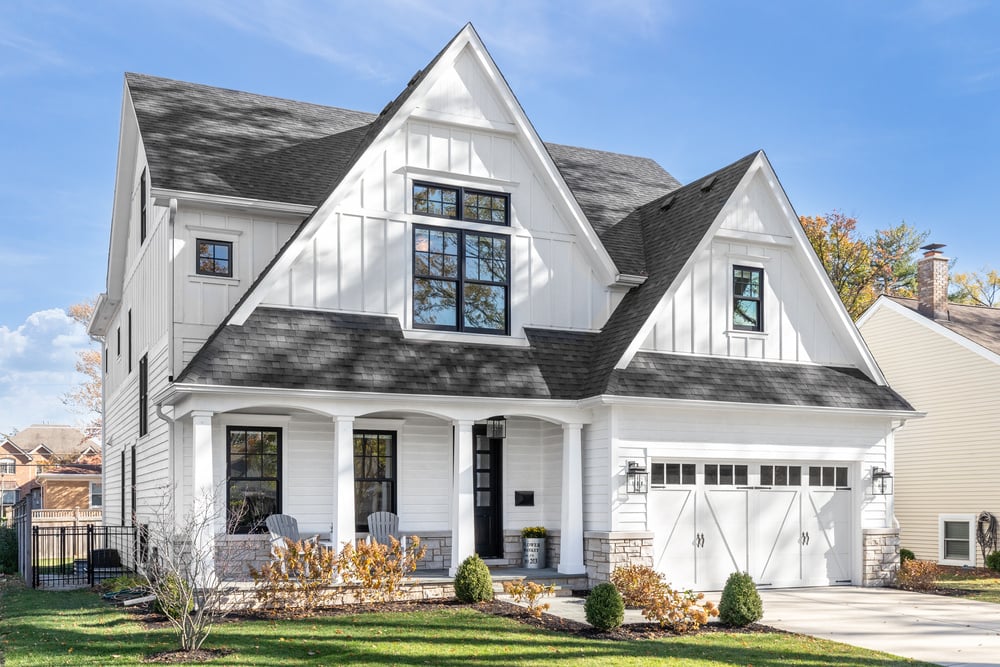
Asphalt shingles are the most visible component of an asphalt roofing system. They are the top layer that provides protection against the elements and enhances the aesthetic appeal of the roof. Asphalt shingles are made of a fiberglass mat or an organic felt saturated with asphalt and coated with mineral granules.
There are different types of asphalt shingles available, including three-tab shingles and architectural shingles. Three-tab shingles are the most common and cost-effective option, while architectural shingles offer a more dimensional and high-end look.
Asphalt shingles are designed to withstand various weather conditions, including wind, rain, hail, and UV radiation. They are also available in a wide range of colors and styles to suit different architectural designs. Regular maintenance, such as cleaning and inspecting for any damage or wear, can help prolong the life of asphalt shingles and ensure their optimal performance.
Flashing and Ventilation: Essential for Moisture Management
Flashing and ventilation are crucial components of an asphalt roofing system for effective moisture management. Flashing refers to the materials, typically made of metal, that are installed around roof openings and intersections to prevent water from seeping into the roof system. Common flashing areas include chimneys, skylights, vents, and valleys.
Proper installation of flashing is essential to ensure its effectiveness. It should be securely fastened and sealed to prevent water infiltration. Regular inspections and maintenance can help identify any issues with flashing and prevent potential leaks.
Ventilation is another important aspect of an asphalt roofing system as it helps to regulate temperature and moisture levels in the attic. Adequate ventilation can prevent the buildup of heat and moisture, which can lead to roof damage and mold growth. It also helps to prolong the life of the roofing materials by reducing the risk of excessive heat and moisture-related issues.
There are different types of roof ventilation systems available, including ridge vents, soffit vents, and gable vents. The choice of ventilation system depends on factors such as the roof design and climate. It is important to ensure proper installation and regular maintenance of the ventilation system to maximize its effectiveness.
Gutters and Downspouts: Directing Water Away from Your Roof
Gutters and downspouts play a crucial role in an asphalt roofing system by directing water away from the roof and foundation of a building. They are installed along the edge of the roof to collect rainwater and channel it to downspouts, which then direct the water away from the building.
Properly functioning gutters and downspouts are essential for preventing water damage to the roof, walls, and foundation. They help to prevent water from pooling on the roof, which can lead to leaks, rot, and other structural issues. They also protect the landscaping around the building by preventing soil erosion and water damage.
Regular maintenance of gutters and downspouts is necessary to ensure their optimal performance. This includes removing any debris, such as leaves and twigs, that can clog the gutters and cause water to overflow. It is also important to check for any damage or leaks and repair them promptly.
In conclusion, understanding the different components of an asphalt roofing system is essential for ensuring a durable and long-lasting roof. The roof deck, underlayment, asphalt shingles, flashing and ventilation, and gutters and downspouts all play important roles in protecting the roof from the elements and maintaining its integrity. Regular inspections, maintenance, and repairs are key to maximizing the lifespan and performance of an asphalt roofing system.