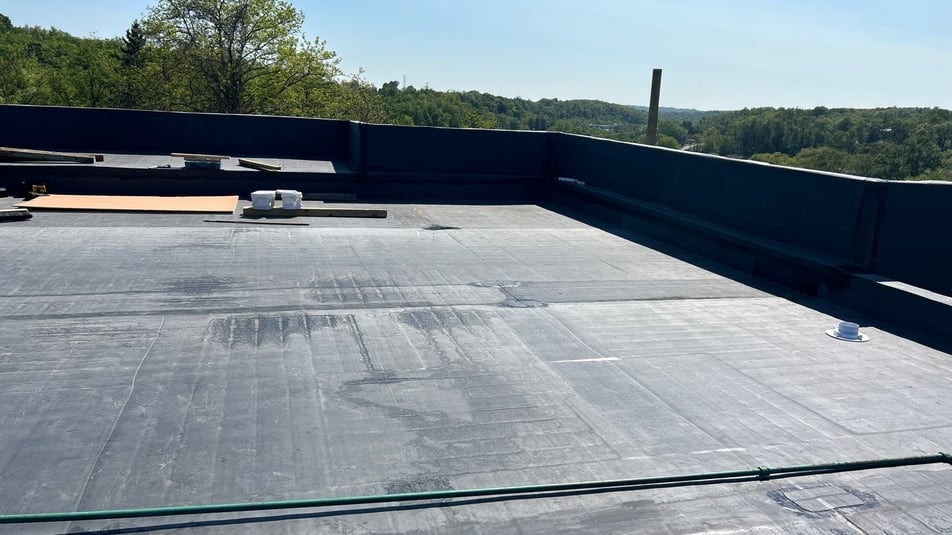
 Discover the advantages of roof coating for flat roofs and why it is a better option than roof replacement.
Understanding the Importance of Flat Roof Maintenance
Regular roof maintenance is one of the most effective ways to protect the lifespan and performance of a flat roof. Because flat roofs don’t shed water as easily as sloped systems, even small issues—like minor seam separations or surface wear—can quickly lead to leaks, insulation damage, and structural problems if left unaddressed.
Over time, exposure to UV rays, temperature fluctuations, standing water, and debris naturally wears down roofing materials. Routine inspections and maintenance allow these issues to be identified early, when they are far less expensive and easier to correct. In many cases, proactive maintenance can delay or completely eliminate the need for a full roof replacement.
Proper roof maintenance also protects the structural integrity of the building itself. A compromised roof can allow moisture to penetrate insulation and decking, leading to mold growth, wood rot, and interior damage. Maintaining the roof system is not just about the roof—it’s about protecting the entire property and everyone inside it.
Why Roof Coating Is a Smart Preventative Solution
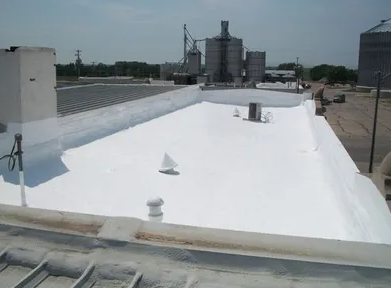
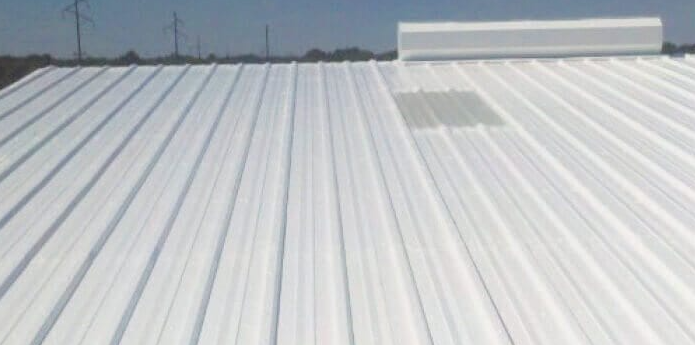
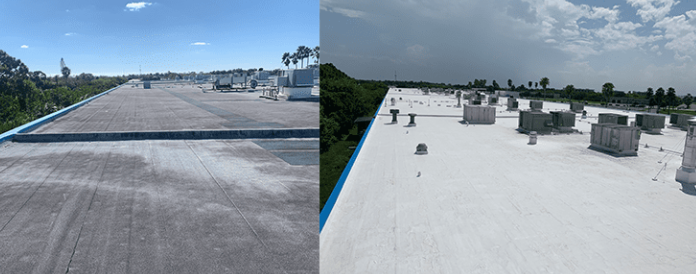
Roof coating is a proven, cost-effective way to enhance and preserve flat roofing systems. Rather than removing and replacing the existing roof, a coating is applied directly over the current surface, forming a seamless protective membrane.
One of the most significant advantages of roof coating is its ability to protect against environmental stressors. The coating shields the roof membrane from UV exposure, thermal expansion, and constant weathering—three of the leading causes of premature flat roof failure. By slowing this degradation, roof coating helps stabilize the roof system and extend its usable life.
In our experience, many flat roof failures begin as small surface issues that go unnoticed. Roof coating addresses these vulnerabilities early, reinforcing the roof before those minor issues turn into costly structural problems.
Extending the Lifespan of a Flat Roof
Flat roofs are often assumed to have shorter lifespans, but that outcome is usually tied to deferred maintenance—not the roof design itself. With proper upkeep and the application of a high-quality roof coating, a flat roof can last significantly longer than expected.
Roof coating acts as a sacrificial layer, absorbing the brunt of sun exposure, rain, snow, and temperature swings. This reduces wear on the underlying membrane and helps prevent cracking, blistering, and seam failures. When paired with regular inspections, coating can delay replacement for many years.
Additionally, roof coating improves the roof’s ability to handle expansion and contraction caused by seasonal temperature changes. This added flexibility reduces stress on the roof system and helps prevent leaks, especially in regions that experience freeze-thaw cycles.
Improving Energy Efficiency and Indoor Comfort
Energy efficiency is a major concern for building owners, and the roof plays a larger role than many realize. Roof coating—particularly reflective or “cool roof” coatings—can dramatically reduce heat absorption by reflecting a significant portion of the sun’s rays.
By lowering rooftop temperatures, roof coating helps reduce the demand placed on HVAC systems during warmer months. This can lead to noticeable reductions in energy consumption and utility costs, while also improving indoor comfort for occupants.
Roof coating can also contribute to better thermal performance during colder months by helping stabilize interior temperatures. The result is a building that is easier and less expensive to heat and cool year-round.
Protection Against Leaks and Water Damage
Water intrusion is one of the most common and destructive issues affecting flat roofs. Because flat roofs are more susceptible to ponding water, even small gaps or cracks can allow moisture to penetrate the roof system.
Roof coating creates a seamless, waterproof barrier that seals vulnerable areas and prevents water from entering the building. By eliminating seams and reinforcing existing ones, coating significantly reduces the risk of leaks, insulation saturation, and interior damage.
Preventing water intrusion also helps minimize the risk of mold growth, rot, and corrosion—issues that can quickly escalate into major repairs or full roof replacement if ignored. Investing in roof coating is often far more economical than addressing the damage caused by ongoing leaks.
A Smarter Way to Protect Your Investment
Roof coating is not just a short-term fix—it’s a strategic investment in the longevity, performance, and efficiency of a flat roof. When combined with regular inspections and maintenance, coating can extend roof life, reduce energy costs, and help building owners avoid unnecessary replacements.
Not every flat roof is a candidate for coating, but when conditions are right, it can be one of the most effective tools available for protecting a property and controlling long-term roofing costs.