
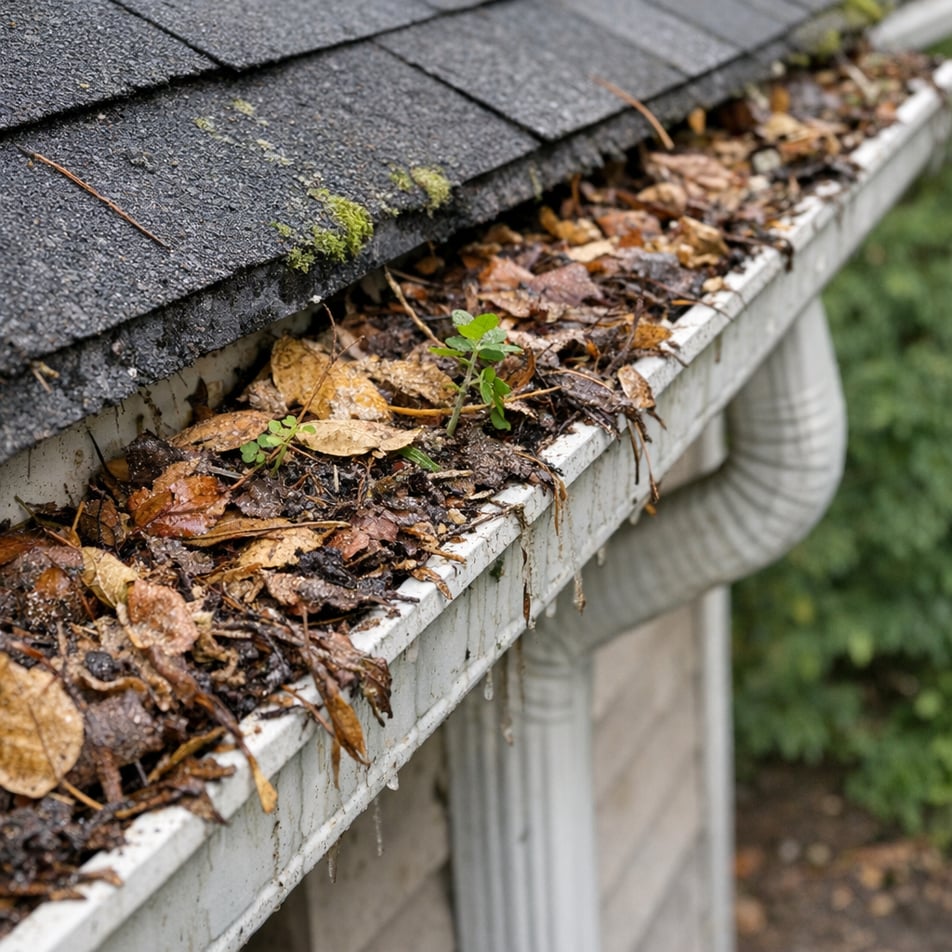
Protect your home's exterior investment by learning the proper techniques to remove winter debris from gutters while preserving your siding's integrity and performance.
Why Winter Takes a Toll on Your Gutter System
Winter weather in Western Pennsylvania creates challenging conditions for your home's gutter system. Freezing temperatures, snow accumulation, and the freeze-thaw cycles common to the Pittsburgh region put tremendous stress on gutters and their attachment points. When snow and ice build up in gutters, the added weight can pull gutters away from fascia boards, creating gaps that allow water to infiltrate behind siding panels. Ice dams form when melting snow refreezes at the gutter line, preventing proper drainage and forcing water under shingles and behind exterior cladding.
The debris that accumulates throughout winter—fallen leaves, twigs, asphalt granules from aging shingles, and organic material—becomes compacted when mixed with snow and ice. This compressed debris doesn't simply wash away with spring rains; instead, it creates blockages that redirect water overflow directly onto siding surfaces. Prolonged exposure to moisture can compromise even the most durable siding materials, including fiber cement siding and premium vinyl siding options.
Beyond debris, winter's harsh conditions can cause physical damage to gutter systems themselves. Seams may separate, fasteners can loosen, and sections may warp or sag under the weight of ice. These structural compromises mean that spring cleaning isn't just about removing debris—it's about assessing the entire system's integrity while being mindful that any aggressive cleaning technique could transfer stress to the siding attachment points or damage the siding material directly. If you notice signs of gutter damage, such as sagging or detachment, it may be time for a replacement.
Essential Tools and Safety Equipment for Damage-Free Gutter Cleaning
Selecting the right tools is fundamental to protecting your siding during gutter maintenance. A sturdy extension ladder with stabilizer arms is essential—these arms keep the ladder positioned away from gutters and siding, distributing pressure across a wider surface area rather than concentrating force on vulnerable siding panels. For homes with vinyl siding, choose ladder stabilizers with rubber or foam padding to prevent scratching or cracking the material. Fiber cement siding is more impact-resistant but can still chip if subjected to concentrated pressure or metal-on-material contact.
For debris removal, opt for a plastic gutter scoop rather than metal tools that can scratch gutter interiors and accidentally gouge siding when maneuvering in tight spaces. A garden trowel with rounded edges serves as an effective alternative. Pair these with heavy-duty work gloves that provide both protection and dexterity. A bucket with a secure hook attachment allows you to collect debris without repeatedly climbing up and down the ladder, reducing the risk of bumping siding with the ladder during repositioning. For more detailed guidance on gutter cleaning techniques, check out our comprehensive guide.
Safety equipment extends beyond fall protection. Safety glasses protect your eyes from debris dislodged during cleaning, while non-slip footwear provides stable footing on ladder rungs. For homes with second-story gutters, consider investing in a gutter cleaning attachment for your garden hose or a specialized gutter cleaning wand that extends your reach from ground level for the final rinse. These tools minimize the time spent on ladders and reduce the likelihood of accidentally pressing cleaning tools against siding surfaces. For more tips on safely working on ladders, especially during holiday decorating, read our guide on ladder safety.
A soft-bristle brush and pH-neutral cleaning solution should be on hand to address any stains or residue that may have transferred to siding during the winter months. Avoid pressure washers during gutter cleaning, as the high-pressure spray can force water behind siding panels, damage caulked seams, or strip protective coatings from both gutters and siding materials. The controlled application of gentle cleaning methods protects your exterior investment while achieving thorough results. For specific tips on cleaning different types of siding, including vinyl, refer to our step-by-step guide.
Step-by-Step Technique to Clean Gutters Without Harming Siding
Begin your gutter cleaning process with a thorough visual inspection from ground level. Walk the perimeter of your home and look for obvious issues: sagging sections, separated seams, or areas where gutters have pulled away from the fascia. Note any siding panels that appear damaged, loose, or improperly installed, as these areas require extra caution during cleaning. This preliminary assessment helps you identify potential problem areas before you begin work that could exacerbate existing issues. If you notice any clear signs of roof damage during this inspection, it may be time for urgent repairs.
When positioning your ladder, place it on firm, level ground and ensure the stabilizer arms rest gently against the fascia or roof edge—never directly against siding panels. The ladder should extend at least three feet above the gutter line for safe access. Before ascending, inform someone in your household of your work plan, especially when working on second-story gutters. Once positioned, work in small sections, thoroughly cleaning a three-to-four-foot span before repositioning the ladder rather than overreaching, which increases the risk of losing balance and grabbing siding for support.
Remove debris by hand or with your plastic scoop, working from the downspout outward. Place debris in your secured bucket rather than dropping it over the side where it might stain siding or damage foundation plantings. Pay particular attention to areas around gutter brackets and hangers—debris often compacts tightly in these spots. As you work, keep your body centered on the ladder and avoid leaning sideways or pressing tools against siding for leverage. If you encounter stubborn, compacted material, allow it to soak with water from a garden hose before attempting removal rather than scraping aggressively, which risks slipping and striking the siding.
After removing solid debris, flush gutters with a garden hose, starting at the end opposite the downspout. Use moderate water pressure and observe how water flows—proper pitch should carry water smoothly toward downspouts without pooling. While rinsing, angle the hose spray away from siding, particularly at seams and joints where water intrusion is most likely. If you notice water overflowing at any point, check for remaining blockages or structural issues with the gutter itself. Once gutters are clear and flowing properly, use a soft cloth or sponge to wipe down the exterior gutter surface and any adjacent siding areas that may have collected residue. This final step ensures your entire exterior maintains a clean, uniform appearance while allowing you to spot any siding damage that may have occurred during winter. For more comprehensive gutter maintenance tips, including how to keep your gutters in top shape year-round, check out our guide.
Common Mistakes That Lead to Siding Damage During Gutter Maintenance
One of the most frequent errors homeowners make is positioning ladders directly against siding panels rather than using stabilizer attachments. This concentrated pressure point can crack vinyl siding, chip fiber cement siding, or dent aluminum siding. Even brief contact during ladder repositioning can leave permanent marks or compromise the weather-tight seal of siding panels. Similarly, leaning ladders at improper angles—either too steep or too shallow—increases instability and the likelihood of the ladder shifting and scraping across siding surfaces. For a comprehensive guide on choosing the right materials for your exterior remodel, including siding options that can withstand these challenges, read our ultimate guide.
Aggressive scraping techniques represent another common source of damage. When homeowners encounter ice-hardened debris or mineral deposits, the temptation is to use metal tools or excessive force to dislodge the material. This approach frequently results in scratched gutters and gouged siding, particularly around the delicate junction where gutters meet the fascia and the first course of siding. The proper approach involves allowing warm water to soften stubborn deposits before gentle removal. Patience during this process prevents costly repairs to both gutters and siding. For more information on how to effectively prevent ice dams and manage ice in your gutters, check out our guide on effective ways to prevent ice dams.
Pressure washing, while effective for many exterior cleaning tasks, poses significant risks during gutter cleaning. The high-pressure stream can force water behind siding panels, leading to moisture intrusion, mold growth, and structural damage to underlying sheathing. Water driven upward under siding overlap areas bypasses the material's designed drainage plane. Additionally, pressure washers can dislodge properly installed siding panels, strip paint or protective coatings, and damage caulked seams around windows, doors, and utility penetrations. For homes with board-and-batten style siding or shake profiles, pressure washing can splinter wood-grain textures and compromise the aesthetic finish. If you notice signs of moisture damage or trapped moisture under your shingles, it's important to address these issues promptly.
Neglecting to protect landscaping and ground-level siding during debris removal creates unnecessary cleanup work and potential staining issues. Organic debris and standing water from gutters often contain tannins and other compounds that can discolor siding materials, particularly lighter-colored vinyl siding. Dropping debris carelessly can also damage plants, mulch beds, and lower siding courses. Professional contractors typically use drop cloths and debris collection systems to contain materials during removal—a practice homeowners should adopt for comprehensive exterior protection. If you're considering hiring a professional for your siding project, here are 7 essential questions to ask prospective siding contractors.
Signs Your Gutters or Siding Need Professional Attention
Certain conditions indicate that gutter or siding issues extend beyond routine maintenance and require professional assessment. If you observe gutters that have pulled away from the fascia by more than a quarter-inch, separated seams, or sections with pronounced sagging, the structural integrity of the system may be compromised. These conditions often indicate that fasteners have failed or that fascia boards have deteriorated—problems that require proper diagnosis and repair to prevent further damage. Attempting to clean severely damaged gutters can worsen the situation and potentially cause sudden failure while you're working on a ladder. If you're experiencing persistent gutter problems, it might be time for new gutters. Learn about the 5 signs that indicate it's time for a replacement.
Siding damage indicators include cracked panels, loose or missing sections, warping, or areas where moisture has clearly penetrated behind the exterior cladding. Water stains on interior walls or ceilings near exterior walls signal that the building envelope has been compromised, potentially due to failed gutters, damaged siding, or both. These symptoms require immediate professional attention, as moisture intrusion can lead to mold growth, wood rot, and structural deterioration. With over 30 years of experience serving Western Pennsylvania homeowners, licensed professionals can identify the root cause of moisture problems and implement comprehensive solutions. For homeowners in Pittsburgh, understanding the specific roofing repair needs in our region is crucial. Learn more about what Pittsburgh homeowners need to know about roofing repair.
Extensive ice dam damage from the previous winter may have created hidden problems not immediately visible during casual inspection. If you notice granular material from asphalt shingles accumulating heavily in gutters, missing shingle tabs, or daylight visible through roof decking from inside your attic, your roofing system may require attention alongside gutter cleaning. The interconnected nature of roofing, gutter, and siding systems means that failure in one component often affects others. Professional inspections provide a complete picture of your home's exterior health and can identify issues before they escalate into major repairs. Understanding the impact of storm damage on your home's exterior, particularly on your roof and siding, is crucial for maintaining your home's integrity.
For homes with premium siding materials like fiber cement siding or specialized profiles, professional maintenance ensures that proper techniques are employed that won't void material warranties. Many manufacturers specify approved cleaning methods and maintenance procedures, and improper techniques can compromise warranty coverage. If your home features recently installed siding systems with full exterior wrap and insulation, professional service ensures that the integrated weather barrier remains intact and performs as designed. When gutter or siding conditions exceed typical homeowner maintenance capabilities, partnering with experienced contractors protects your investment and provides peace of mind that work meets industry standards and building codes. To better understand your siding warranty and protect your investment, every homeowner should know these key points about siding warranties.