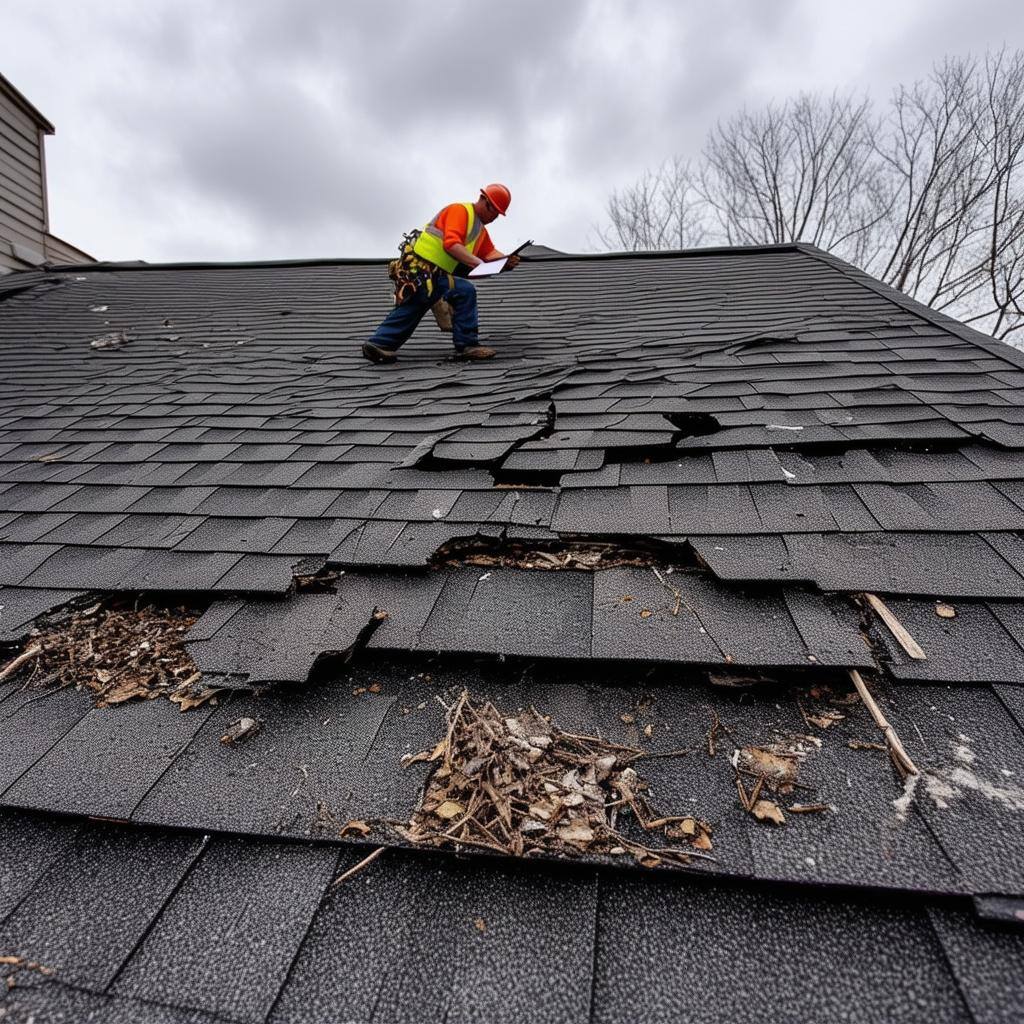

When storm damage strikes your property, partnering with an experienced local contractor can streamline your insurance claim and ensure you receive the quality repairs your home deserves.
Why Working with Local Contractors Makes Insurance Claims Easier
When severe weather damages your roof or exterior, the insurance claim process can feel overwhelming. Many homeowners wonder whether they should handle the claim independently, rely solely on their insurance adjuster, or partner with a local contractor. The answer is clear: working with an experienced local contractor who understands both construction requirements and insurance procedures can significantly streamline the entire process and help ensure you receive the full coverage you're entitled to under your policy.
Local contractors bring invaluable expertise to insurance claims that adjusters alone cannot provide. While insurance adjusters work for the insurance company and focus on assessing coverage eligibility, experienced contractors understand the full scope of storm damage from a technical perspective. They can identify hidden damage that might be missed during an initial inspection—such as compromised roof decking, damaged underlayment, or structural issues that aren't immediately visible. This comprehensive damage assessment ensures nothing is overlooked in your claim documentation.
Beyond technical expertise, local contractors also serve as your advocate throughout the claims process. They speak the language of both construction and insurance, translating complex building code requirements and repair specifications into terms that support your claim. With over 30 years of experience in the Pittsburgh area, established contractors have worked with virtually every major insurance carrier and understand their specific documentation requirements, approval processes, and common objections. This familiarity can prevent delays and denials that often frustrate homeowners navigating the system alone.
Additionally, working with a trusted local contractor provides accountability and continuity. Unlike out-of-state storm chasers who disappear after collecting payment, established regional contractors have a reputation to uphold in their community. They're invested in your long-term satisfaction and will be available if any warranty issues arise. For homeowners in Western Pennsylvania, choosing a contractor with deep roots in the Pittsburgh, Irwin, or surrounding communities means working with professionals who understand local building codes, weather patterns, and the specific challenges that impact residential properties in this region.
Understanding Your Insurance Policy Before Storm Damage Occurs
The time to understand your homeowner's insurance policy is before disaster strikes—not after you're dealing with emergency repairs and claim deadlines. Most homeowners have only a general sense of their coverage, but policy details matter significantly when it comes to storm damage claims. Your policy likely includes specific provisions regarding wind damage, hail damage, water intrusion, and the resulting structural damage to roofing systems, siding, gutters, windows, and doors. Knowing these details in advance helps you act quickly and strategically when damage occurs.
Start by reviewing your policy's declaration page, which outlines your coverage limits, deductibles, and the types of perils covered. Pay particular attention to whether you have replacement cost coverage or actual cash value coverage. Replacement cost coverage pays to replace damaged materials with new materials of similar kind and quality, while actual cash value coverage factors in depreciation, potentially leaving you with significant out-of-pocket expenses. Understanding this distinction is crucial, as it directly impacts the scope of repairs your insurance will fund and influences decisions about material upgrades or energy efficiency improvements during restoration.
Your policy also contains important provisions about claim filing timelines and documentation requirements. Most policies require prompt notification of damage—typically within a specific timeframe after the storm event. Failure to report damage promptly can jeopardize your claim. Additionally, familiarize yourself with any exclusions or limitations in your policy. Some policies exclude or limit coverage for specific types of damage, such as cosmetic damage to siding, gradual wear and tear, or damage from lack of maintenance. Knowing these exclusions prevents surprises and helps you understand when additional documentation or professional assessments might strengthen your claim.
Finally, consider scheduling a pre-storm consultation with a qualified contractor to document your property's current condition. Professional documentation—including photographs, written assessments, and records of recent maintenance or upgrades—creates a baseline that proves damage occurred as a direct result of a specific storm event. This proactive approach can expedite claims processing and reduce disputes with adjusters who might otherwise attribute damage to pre-existing conditions or deferred maintenance. For homeowners throughout Pittsburgh and Western Pennsylvania, this preparation is especially important given our region's exposure to severe thunderstorms, high winds, and winter weather events that frequently impact roofing and exterior systems.
The Step-by-Step Insurance Claim Process for Roof and Exterior Damage
When storm damage affects your property, following a systematic claim process maximizes your chances of receiving appropriate coverage. The first critical step is immediate damage mitigation. Your insurance policy requires you to take reasonable steps to prevent further damage—this might include covering exposed areas with tarps, boarding up broken windows, or moving valuable items away from active leaks. Document all mitigation efforts with photographs and receipts, as these emergency measures are typically reimbursable under your policy. However, avoid making permanent repairs before your adjuster inspects the damage, as this can complicate claim verification.
Next, contact your insurance company to file a formal claim as soon as possible. Provide basic information about when the damage occurred, what areas of your property were affected, and the general nature of the damage. Your insurer will assign a claims adjuster and schedule an inspection. Before this inspection occurs, consider having an experienced contractor conduct their own assessment. A contractor's professional inspection often identifies damage that homeowners might miss and provides technical documentation that supports your claim. When the insurance adjuster arrives, having your contractor present ensures all damage is properly documented and that repair estimates account for code compliance, proper installation standards, and necessary related work.
After the initial inspection, your insurance adjuster will prepare an estimate of covered damages. Review this estimate carefully with your contractor, as insurance estimates sometimes underestimate the scope of work, exclude necessary preparatory or finishing work, or use material specifications that don't meet current building codes. Your contractor can prepare a detailed scope of work and cost estimate that addresses any discrepancies. If significant differences exist between the adjuster's estimate and your contractor's assessment, you have the right to request a reinspection or to obtain additional professional opinions. Many policies include provisions for resolving disputes through appraisal processes if necessary.
Once your claim is approved and you receive your initial payment—often minus your deductible—you can proceed with repairs. Most insurance companies issue payments in phases: an initial payment when the claim is approved and a final payment upon completion of repairs. Your contractor will coordinate the work according to the approved scope, maintaining compliance with all building codes and manufacturer specifications. Upon completion, your contractor should provide documentation of all work performed, including photographs, material receipts, and warranty information. Submit this documentation to your insurance company to receive your final payment. Throughout this process, working with a local contractor who has established relationships with insurance carriers and understands regional building requirements ensures your repairs are completed correctly and your claim is processed efficiently.
How Experienced Contractors Document Damage for Maximum Coverage
Proper damage documentation is the foundation of successful insurance claims, and experienced contractors bring systematic expertise to this critical process. Professional documentation begins with comprehensive visual evidence. Contractors use high-resolution photography and, when appropriate, drone technology to capture damage from multiple angles and elevations. This is particularly important for roof damage, where ground-level photographs may not adequately convey the extent of hail impacts, missing shingles, or compromised flashing. Detailed images of damaged areas, adjacent undamaged areas for comparison, and close-ups showing specific defects create a visual record that substantiates your claim and prevents disputes about damage severity.
Beyond photography, experienced contractors prepare detailed written assessments that describe damage in technical terms insurance adjusters understand and respect. These assessments specify the location, type, and extent of damage using industry-standard terminology. For example, rather than simply noting 'roof damage,' a professional assessment documents specific issues such as 'fractured asphalt shingles with exposed substrate due to hail impact,' 'compromised roof-to-wall flashing allowing water intrusion,' or 'wind-lifted ridge cap shingles requiring replacement.' This technical precision eliminates ambiguity and demonstrates that damage requires professional repair to restore your property to pre-loss condition and maintain code compliance.
Experienced contractors also understand that storm damage often extends beyond immediately visible areas. They conduct thorough inspections of related building components that might have been compromised during the same weather event. For roof damage claims, this includes inspecting gutters, downspouts, soffit and fascia, siding, windows, doors, and even attic spaces for evidence of water intrusion or structural stress. Comprehensive documentation of all storm-related damage ensures your claim reflects the full scope of necessary repairs. Contractors familiar with building science can also identify secondary damage that results from primary storm damage—such as interior water damage from roof leaks or structural movement from wind loading—strengthening the causal connection between the storm event and claimed damages.
Finally, professional contractors provide detailed cost estimates that accurately reflect the labor, materials, and ancillary costs required to complete repairs properly. These estimates account for current material pricing, code-required upgrades, necessary preparatory work, and proper disposal of damaged materials. They also specify quality materials from reputable manufacturers—such as Owens Corning roofing systems or James Hardie siding—that meet or exceed the performance characteristics of your original installation. When insurance adjusters review these professional estimates, they recognize the thoroughness and credibility that comes from decades of construction experience. For homeowners in Pittsburgh and throughout Western Pennsylvania, working with contractors who have over 30 years of experience and established relationships with insurance carriers ensures your damage documentation supports the maximum appropriate coverage under your policy.
Avoiding Common Pitfalls When Filing Property Damage Claims
Even with insurance coverage, homeowners frequently encounter obstacles that reduce claim payouts or delay repairs. One of the most common pitfalls is waiting too long to file a claim. Many homeowners discover storm damage weeks or months after a weather event and assume they've missed their opportunity for coverage. While policies do require prompt notification, 'prompt' doesn't necessarily mean immediate. If you discover damage that could have resulted from a recent storm, file a claim and let your insurer investigate. However, significant delays make it harder to establish causation and may result in denial, so inspect your property thoroughly after any severe weather and document any concerns immediately.
Another frequent mistake is accepting the insurance adjuster's initial estimate without question. Insurance adjusters work for the insurance company, and while most are professional and fair, their estimates sometimes reflect minimum rather than optimal repair approaches. They may overlook hidden damage, underestimate material quantities, or exclude preparatory work that contractors know is necessary for quality repairs. Never sign releases or accept final payment until your contractor confirms the approved scope covers all necessary work. If disputes arise, remember that you have rights under your policy, including the right to obtain independent assessments and to request reconsideration of denied or underpaid claims.
Homeowners also run into trouble when they make permanent repairs before the insurance inspection occurs. While you must take reasonable steps to prevent further damage—such as tarping a damaged roof—making permanent repairs eliminates the adjuster's ability to verify the original damage. If you complete repairs before inspection, your insurer may deny the claim entirely or significantly reduce the payout based on inability to confirm the loss. Similarly, avoid discarding damaged materials until your claim is settled. Adjusters or independent inspectors may need to examine damaged shingles, siding, or other components to verify the nature and cause of damage, particularly in cases involving disputes about storm damage versus wear and tear.
Finally, many homeowners make the critical error of hiring the wrong contractor—or worse, working with out-of-state storm chasers who provide lowball estimates, pressure immediate signatures, and disappear after collecting payment. These contractors often promise to 'eat your deductible' or waive out-of-pocket costs—practices that are illegal in most states and constitute insurance fraud. They may also perform substandard work using inferior materials, leaving you with ongoing problems and no recourse for warranty claims. Protect yourself by choosing licensed, insured, locally established contractors with verifiable track records, proper certifications from major manufacturers, and longstanding reputations in your community. For homeowners throughout Pittsburgh, Irwin, and Western Pennsylvania, working with contractors who have deep regional roots, decades of experience, and proven relationships with insurance carriers ensures your repairs are completed correctly and your claim is handled ethically and professionally.