Discover how a professional roof inspection safeguards your property, uncovers potential issues, and ensures long-term durability for your home or business.
The Importance of a Thorough Roof Assessment
A comprehensive roof assessment is the cornerstone of long-term property protection, both for residential homes and commercial buildings. A professional evaluation not only identifies current problem areas, such as leaks or storm damage, but also pinpoints potential vulnerabilities that could develop into costly repairs if left unaddressed. For a detailed guide on how to check if your roof needs repairs, visit our blog.
For property owners in Western Pennsylvania, where harsh seasons can accelerate roof wear, a thorough inspection supports proactive maintenance, extends the lifespan of roofing systems, and ensures compliance with building code requirements. It also provides peace of mind, knowing your roof is safeguarding your investment against the elements. Learn more about how to maintain your roof and extend its life in our comprehensive guide.
Exterior Examination: Shingles, Flashing, and Structural Elements
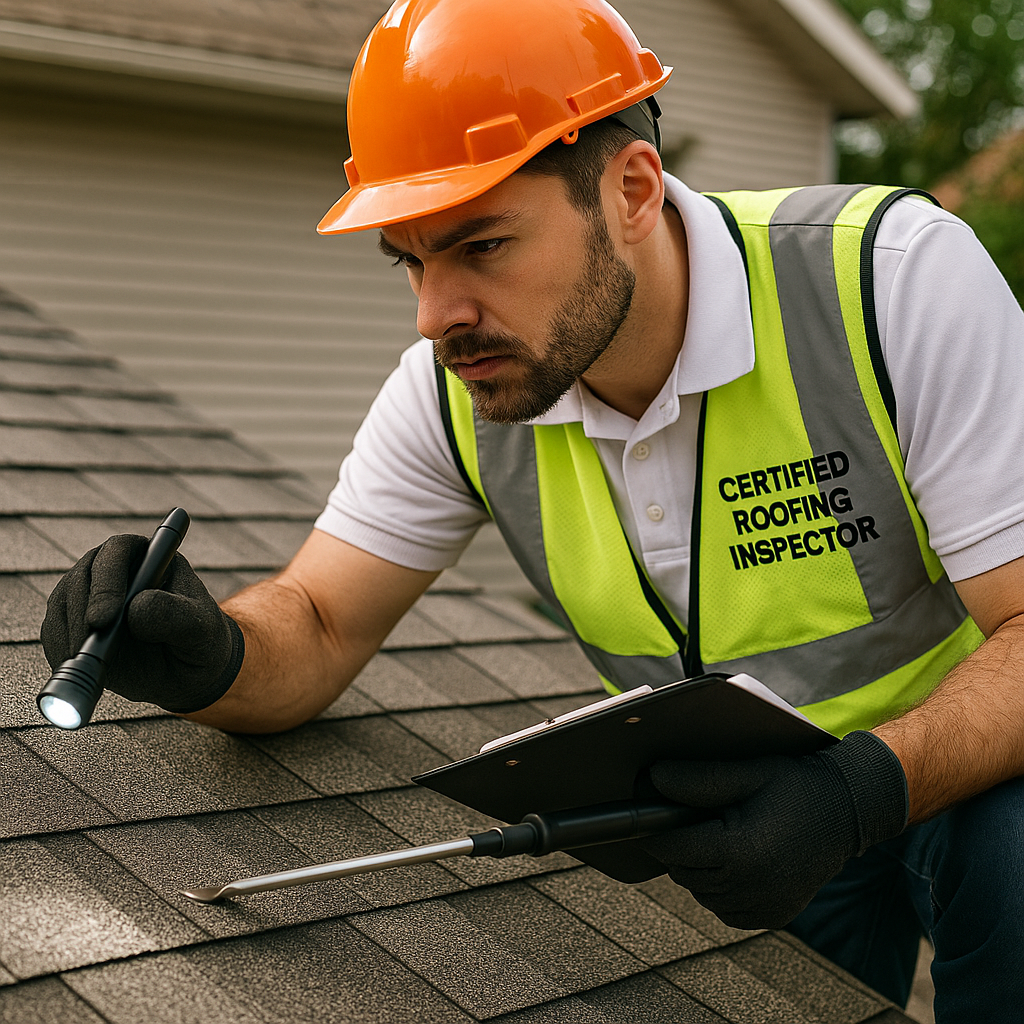
During the exterior phase of a roof inspection, certified professionals meticulously assess shingles for signs of cracking, curling, granule loss, and other forms of deterioration. Flashing around chimneys, vents, skylights, and valleys is checked for corrosion, separation, or improper installation—common sources of leaks.
Structural components, including the decking and visible framing, are evaluated for sagging, rot, or other integrity issues. Inspectors also look for clogged gutters, improper drainage, and fascia or soffit damage, all of which can compromise roof performance and building safety. For more information on common roof problems uncovered during inspections, check out our detailed blog post.
Interior Inspection: Attic, Insulation, and Ventilation Checks
A complete roof inspection extends beyond the surface. Inspectors enter the attic to check for water stains, mold, or wood rot that signal leaks or inadequate ventilation. Proper insulation and airflow are critical for energy efficiency, moisture control, and preventing ice damming in colder months. To understand why attic ventilation matters and what happens if you ignore it, read our informative article.
Technicians also inspect the underside of the roof decking for signs of structural compromise, and verify that attic ventilation meets industry standards, which helps maintain optimal roof temperature and prolongs shingle life.
Identifying Storm Damage, Leaks, and Potential Hazards
Severe weather is a leading cause of roof damage in the Pittsburgh area. Professional inspectors are trained to spot indicators of hail impact, wind-lifted shingles, and punctures or tears caused by flying debris. Early detection of such issues is vital for timely repairs and insurance claims. For more information on hail damage on your roof and what to look for, visit our blog.
In addition to storm-related concerns, the inspection process uncovers hidden leaks, the presence of pests, or deteriorating materials that may present safety hazards or lead to more extensive property damage if not resolved promptly.
Actionable Insights: Inspection Reports and Next Steps
After the inspection, property owners receive a detailed report outlining findings, including photos and recommended repairs or maintenance. This documentation is invaluable for budgeting future work, negotiating insurance claims, or planning a full roof replacement if needed. Learn more about how we help with insurance claims for roof repairs on our website.
At Bella Construction & Development Inc., we provide clear guidance on prioritized repairs, material options, estimated timelines, and available financing, ensuring you have the information needed to protect your property investment efficiently and cost-effectively.
What do accrediated roof inspectors mean?
Accredited roof inspectors are professionals who have undergone specialized training and certification to assess roofing systems accurately and according to industry standards. One such credential is HAAG certification, which is recognized for its rigorous curriculum in forensic roof inspection and storm damage assessment. To understand how a roofing contractor can help with your insurance claim, including the role of HAAG-certified inspectors, check out our informative guide.
HAAG-certified inspectors demonstrate advanced knowledge in identifying subtle forms of damage, ensuring that inspections are thorough and reliable. When you choose a contractor with accredited inspectors, you benefit from their expertise and the assurance that your inspection meets the highest industry and insurance standards.