
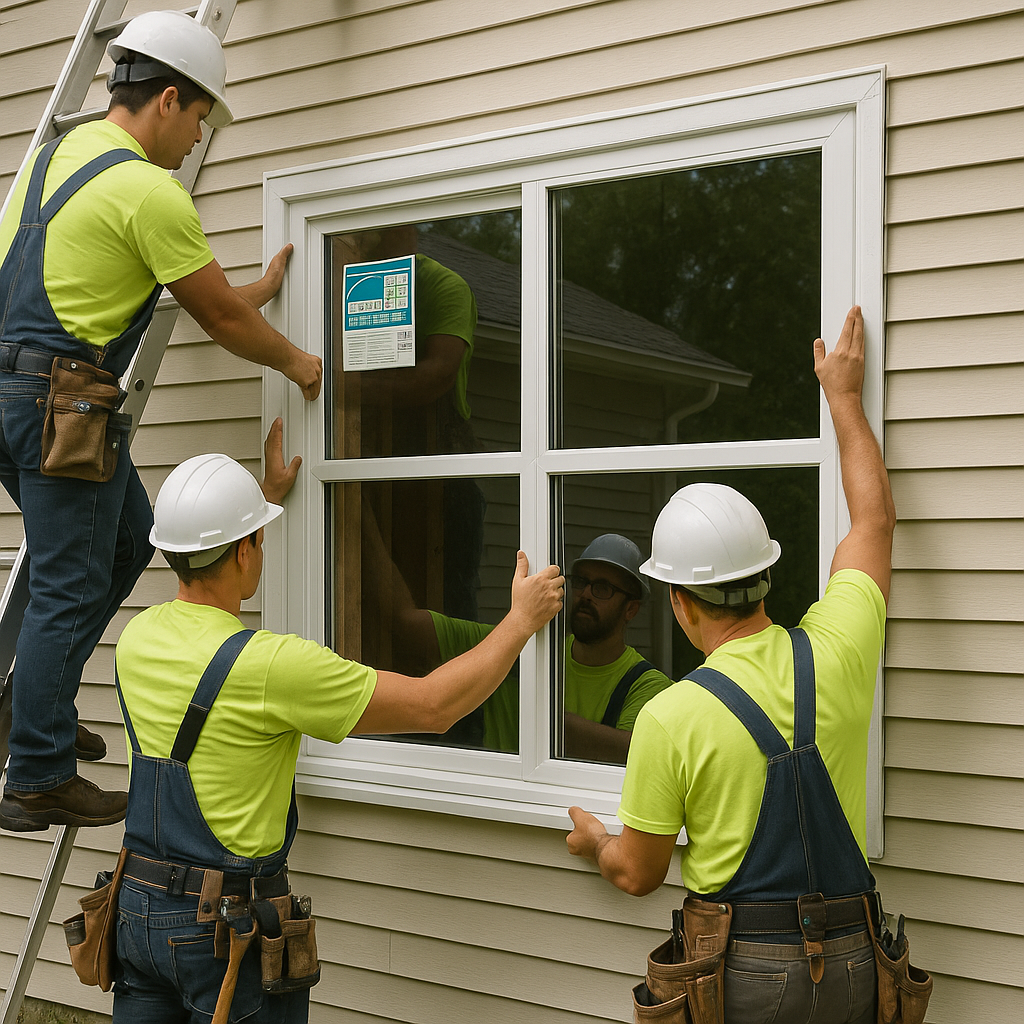
Discover how a full window replacement transforms property durability, energy efficiency, and curb appeal with expert guidance every step of the way.
Understanding the Benefits of Full Window Replacement
A full window replacement project is a transformative investment that goes beyond aesthetics. Replacing all windows in your home or property can significantly improve energy efficiency by eliminating drafts, reducing heat transfer, and enhancing insulation. This leads to measurable savings on heating and cooling costs, contributing to a more sustainable and comfortable living environment.
Additionally, new windows provide enhanced durability, improved soundproofing, and increased security. Modern window systems are engineered to meet rigorous standards for weather resistance and longevity, helping to protect your property from Western Pennsylvania's varied climate while boosting curb appeal and property value.
Evaluating Your Existing Windows and Selecting the Right Materials
The process begins with a professional evaluation of your existing windows. This inspection identifies issues such as rot, water infiltration, air leaks, or outdated glazing that may affect performance. Based on these findings, you'll work with your contractor to select the best replacement materials—options include vinyl, fiberglass, aluminum-clad, and wood, each offering distinct advantages in terms of maintenance, durability, and appearance. For guidance on choosing the right contractor for your window replacement project, check out these essential questions to ask prospective replacement window contractors.
Consideration should also be given to glazing options such as double or triple-pane glass, low-E coatings, and inert gas fills. These features improve energy performance and can be tailored to your specific needs, regional climate, and design preferences.
What Happens During the Window Replacement Process
During the replacement, your contractor will carefully remove the old windows, being mindful to preserve the surrounding structure and minimize disruption. The opening is inspected and, if needed, repaired or prepared to ensure a proper fit for the new unit. Next, the new window is installed and securely anchored, followed by precise insulation and sealing to prevent air and water infiltration.
All trim and finishes are restored or replaced, and the installer will perform a thorough check to ensure smooth operation and compliance with manufacturer specifications. The process is systematically managed to maintain a clean work site and limit disturbance to your daily routine.
What do I need to do to get my home ready for window replacment.
Before your window replacement project begins, there are several steps you can take to ensure a smooth installation. Start by removing all blinds, curtains, and other window treatments from the areas being worked on. This will allow installers full access and prevent damage to your belongings.
Next, move any furniture, valuables, or electronics away from the window areas to create a safe workspace. Cover items that can’t be relocated to protect them from dust and debris. While contractors will take steps to minimize dust, some is inevitable during removal and installation. Consider sealing off adjacent rooms or using dust barriers for added protection.
Ensuring Code Compliance, Energy Efficiency, and Warranty Coverage
Professional window replacement must adhere to local building codes and manufacturer installation guidelines to ensure safety, energy performance, and long-term reliability. Your contractor should be knowledgeable about the latest code requirements, including egress standards, tempered glass locations, and energy efficiency benchmarks set by ENERGY STAR or equivalent programs.
Proper installation is also critical for preserving manufacturer warranties. Be sure to retain documentation of your project and understand the terms of both product and labor warranties. This coverage protects your investment and ensures you benefit from the full lifecycle performance of your new windows.
Post-Installation Care and Long-Term Performance Tips
After installation, routine care will help maintain window function and appearance. Clean the glass and frames with manufacturer-recommended products, and periodically check seals and weatherstripping for integrity. Promptly address any condensation or operational issues to prevent long-term damage.
Regular inspections, especially following severe weather, will help you identify and resolve minor concerns before they escalate. If your windows are under warranty, report any defects or installation issues to your contractor promptly to ensure swift resolution and ongoing peace of mind. For more information on maintaining your windows and recognizing signs that it's time for replacement, consult our comprehensive guide.