
Building your dream home is an exciting journey that requires careful planning, patience, and understanding of each construction phase to ensure a smooth, successful project from foundation to final walkthrough.
Pre-Construction Planning and Site Preparation
The pre-construction phase is the foundation of a successful home building project and typically spans 2-4 months depending on complexity and permitting requirements. During this critical period, you'll work closely with architects, engineers, and contractors to finalize your home design, secure financing, and obtain all necessary building permits from local authorities. This phase includes comprehensive site surveys, soil testing, and utility assessments to ensure your property is suitable for construction and meets all building codes and zoning regulations. For a deeper dive into navigating this stage effectively, explore our guide on planning a construction project: budget, timeline, and key decisions.
Site preparation begins once permits are approved and involves clearing the land, establishing proper drainage patterns, and marking utility lines. Professional contractors will excavate the building footprint, grade the lot to ensure proper water runoff, and install temporary utilities and fencing to secure the construction zone. This stage also includes establishing access routes for heavy equipment and materials delivery. Proper site preparation is essential for preventing future structural issues and ensuring compliance with local building standards, making it a critical investment in your home's long-term durability and performance.
Foundation Work and Framing the Structure
Foundation construction typically takes 1-2 weeks and begins with excavation, followed by installation of footings, foundation walls, and a concrete slab or basement floor. The type of foundation—whether slab-on-grade, crawl space, or full basement—depends on your home design, local building codes, soil conditions, and climate considerations. Professional contractors will ensure proper reinforcement with rebar, adequate drainage systems, and waterproofing measures to protect against moisture intrusion. Foundation inspections by building authorities are mandatory before proceeding to framing, ensuring structural integrity and code compliance.
Framing transforms your foundation into a recognizable structure and generally takes 3-6 weeks depending on home size and complexity. This phase includes erecting the skeletal framework of walls, floor systems, and roof trusses using engineered lumber that meets structural load requirements. Experienced framing crews work systematically to install exterior wall studs, interior partition walls, ceiling joists, and the roof structure, creating the bones of your home. During this stage, you'll see window and door openings take shape, and the overall footprint and roofline of your home becomes visible. Proper framing is essential for structural integrity, energy efficiency, and supporting the weight of roofing materials and exterior finishes that will be installed in subsequent phases. To better understand how each phase connects, see our step-by-step construction process explained.
Installing Critical Systems and Exterior Components
Once framing is complete and inspected, the rough-in phase begins with installation of critical mechanical, electrical, and plumbing systems—a process that typically requires 2-4 weeks. Licensed electricians will run wiring throughout the home for outlets, switches, and lighting fixtures, while plumbers install water supply lines, drain systems, and gas connections. HVAC contractors will install ductwork, heating and cooling equipment, and ventilation systems designed to meet energy efficiency standards. These systems must pass rigorous inspections to ensure they meet building codes and safety standards before walls are closed up with insulation and drywall.
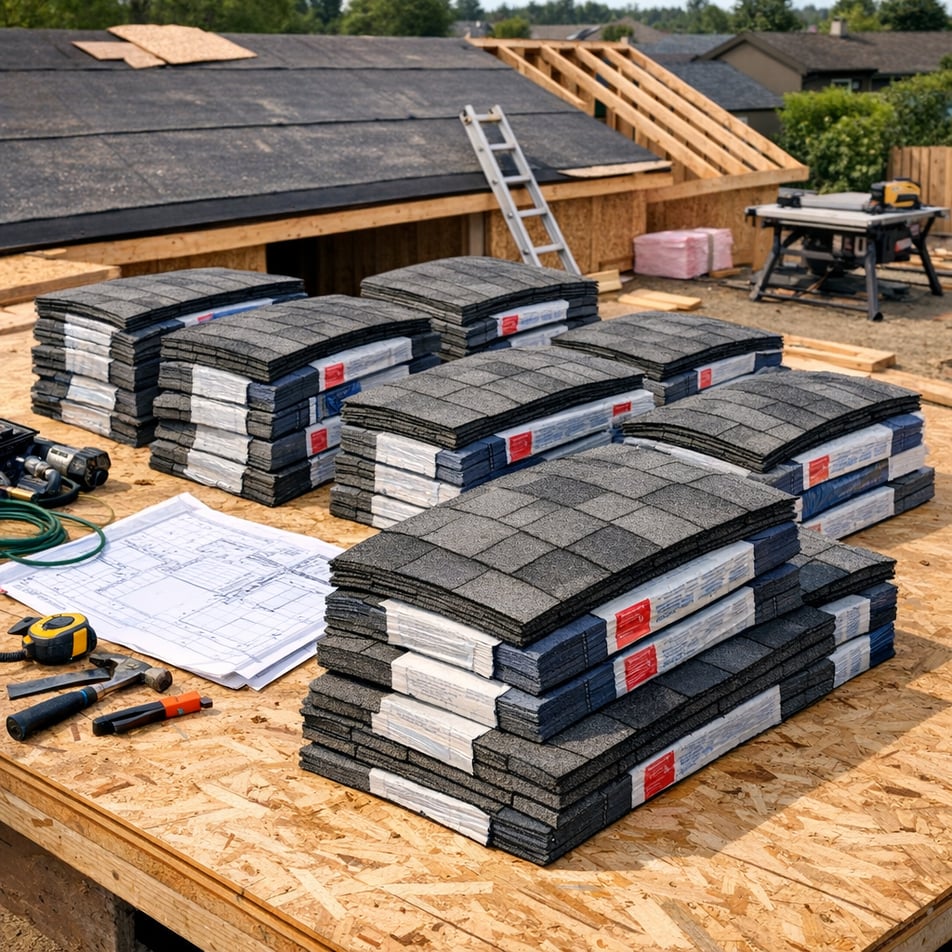
Exterior envelope work proceeds simultaneously or immediately following rough-in installations and includes critical weatherproofing components that protect your home from the elements. Professional roofing contractors will install roof decking, underlayment, and your chosen roofing system—whether asphalt shingles, metal roofing, or other durable materials that provide long-term weather protection and energy efficiency. Exterior siding installation follows, with options ranging from fiber cement to premium vinyl siding in various styles and colors that enhance curb appeal while providing thermal performance. This phase also includes installation of soffit and fascia systems for proper attic ventilation, exterior trim work, and weatherproof windows and doors with proper flashing and sealing. Quality exterior installation is paramount for preventing water intrusion, managing moisture, and ensuring your home's envelope performs efficiently for decades to come.
Interior Finishes and Quality Control Inspections
Interior finishing transforms your house into a livable home and typically spans 4-8 weeks depending on the level of customization and material selections. This phase begins with insulation installation in exterior walls, attics, and crawl spaces to maximize energy efficiency and comfort, followed by drywall hanging, taping, and finishing to create smooth interior surfaces. Professional installers will then complete interior trim work including baseboards, crown molding, door casings, and window sills. Flooring installation—whether hardwood, tile, carpet, or luxury vinyl—comes next, along with interior door hanging and hardware installation. Kitchen and bathroom cabinetry, countertops, and fixtures are installed during this phase, transforming these spaces into functional rooms.
Paint application, final electrical fixture installation, and plumbing trim-out complete the interior finishes, giving your home its finished aesthetic. Throughout this phase, multiple inspections by building authorities ensure all work meets code requirements and safety standards. These inspections cover electrical systems, plumbing, HVAC performance, insulation values, and overall construction quality. Final grading and landscaping preparations occur simultaneously outside, establishing proper drainage away from the foundation and preparing the lot for your yard and hardscape features. Quality control inspections are essential checkpoints that verify craftsmanship, identify any deficiencies requiring correction, and ensure your new home meets all building codes and performance standards before occupancy.
Final Walkthrough and Moving Into Your New Home
The final walkthrough is a comprehensive inspection that you'll conduct with your contractor, typically 1-2 weeks before your scheduled move-in date. This is your opportunity to verify that all construction work has been completed according to specifications, all systems are functioning properly, and any punch-list items have been addressed. During this walkthrough, you'll test all electrical outlets and switches, run water at all fixtures, operate heating and cooling systems, check all doors and windows for proper operation, and inspect all finishes for quality and completeness. Your contractor should provide detailed information about warranty coverage, maintenance requirements for various systems and materials, and emergency contact information for any post-construction issues. To ensure you're working with the right professional from the start, review these 7 essential questions to ask prospective home improvement contractors.
Once the final walkthrough is approved and you've received the certificate of occupancy from local building authorities, you're ready to move into your new home. This certificate confirms that your home meets all applicable building codes, has passed all required inspections, and is safe for occupancy. Your contractor should provide comprehensive documentation including warranties for roofing systems, siding materials, appliances, and other components, along with maintenance schedules and care instructions to protect your investment. Many reputable contractors offer satisfaction guarantees and remain available to address any concerns during your first year of occupancy. With proper planning, quality construction, and professional project management from experienced contractors, your home construction journey culminates in a durable, energy-efficient home built to provide decades of comfort, protection, and value for your family. As your home ages, understanding when it's time to replace your roof will help you stay ahead of maintenance needs and protect your long-term investment.