Understanding the true lifespan of your roof investment helps you make informed decisions that protect your home for decades to come.
What Determines How Long Your Roof Will Actually Last
When homeowners in Western Pennsylvania invest in a new roof, they're often surprised to learn that the advertised lifespan on product brochures rarely tells the complete story. The actual longevity of your roofing system depends on a complex interaction of factors that go far beyond the manufacturing specifications. In 2026, understanding these variables has become more critical than ever as material costs continue to rise and homeowners seek maximum value from their exterior investments. For a comprehensive overview of various roofing materials and their characteristics, check out our guide on Types of Roofing Materials: Which One Is Right for You?
Climate conditions play a pivotal role in determining your roof's real-world performance. In the Pittsburgh region, roofs face unique challenges including freeze-thaw cycles, heavy snow loads, high humidity levels, and severe summer storms. These weather patterns can accelerate material degradation compared to milder climates. A roof that might last 30 years in a temperate southern state could see its effective lifespan reduced by 20-25% in our region due to thermal cycling and moisture exposure. To learn more about how climate affects roofing and the importance of regular maintenance, read our article on Preventative Roof Maintenance vs. Costly Water Damage Repairs.
The quality of installation is equally important as the material itself. Even premium roofing products will fail prematurely if installed incorrectly. Proper ventilation, adequate underlayment, correct fastener placement, and adherence to manufacturer specifications are non-negotiable factors that separate a roof lasting its full expected lifespan from one requiring premature replacement. Professional installation by licensed contractors with proven track records ensures that your investment is protected from day one. For more information on choosing the right roofing professionals, check out our guide on Choosing the Right Shingle Roofers in Pittsburgh.
Regular maintenance and timely repairs significantly extend roof longevity. Addressing minor issues like missing shingles, damaged flashing, or clogged gutters prevents small problems from escalating into major structural damage. Homeowners who schedule biannual inspections and address concerns promptly often see their roofs exceed manufacturer estimates, while those who adopt a reactive approach typically experience shorter lifespans and higher total costs over time. Learn more about the importance of regular maintenance in our Seasonal Roof Maintenance Tips guide.
Asphalt Shingles: The Most Common Choice And Its Real-World Lifespan
Asphalt shingles remain the most popular roofing material across America, accounting for approximately 80% of residential installations. Their widespread adoption stems from a combination of affordability, proven performance, and aesthetic versatility. However, not all asphalt shingles are created equal, and understanding the distinctions between product tiers is essential for setting realistic longevity expectations.
Standard three-tab asphalt shingles typically carry a 20-25 year warranty, but real-world performance in Western Pennsylvania often ranges between 15-20 years. These entry-level options use less asphalt and have thinner construction, making them more susceptible to wind damage, granule loss, and thermal stress. While they represent the most economical initial investment, their shorter lifespan means homeowners may need to replace their roof twice during the time a premium option would still be performing effectively. For a more detailed comparison of asphalt shingle types and their performance, read our Ultimate Guide to Asphalt Roofing: Durability, Style, and Affordability.
Architectural or dimensional shingles offer substantially improved durability and aesthetics. These premium asphalt products feature multi-layered construction, higher quality asphalt formulations, and enhanced granule adhesion technology. Manufacturer warranties typically range from 30-50 years, with real-world performance in our climate zone commonly reaching 25-35 years when properly installed and maintained. The heavier weight and superior wind resistance of architectural shingles make them particularly well-suited to Pittsburgh's weather patterns. To learn more about the benefits of architectural shingles, check out our article on Elevate Your Roof: Exploring Architectural Shingles.
In 2026, advanced asphalt shingle technologies continue to evolve. Impact-resistant shingles with Class 4 ratings provide enhanced protection against hail damage and often qualify homeowners for insurance discounts. Cool roof shingles with reflective granules reduce energy costs by minimizing heat absorption. Algae-resistant formulations with copper or zinc additives prevent unsightly streaking that was once common on north-facing slopes. These innovations not only extend functional lifespan but also maintain aesthetic appeal throughout the product's service life, protecting both your investment and your home's curb appeal.
Metal Roofing Longevity: Why Homeowners Are Choosing Fifty-Year Solutions
Metal roofing has transitioned from primarily commercial applications to become an increasingly popular residential choice, and the reasons are compelling. When homeowners evaluate total cost of ownership rather than just initial investment, metal roofing often emerges as the most economical long-term solution. With properly installed metal roofing systems regularly exceeding 50 years of service life, many homeowners realize this will be the last roof their home ever needs. For a comprehensive look at metal roofing options and their benefits, read our guide on Pittsburgh Metal Roofing: The Durable Choice for Your Home.
The exceptional durability of metal roofing stems from its fundamental material properties. Unlike organic materials that deteriorate through biological processes or petroleum-based products that degrade through UV exposure, metal roofing maintains structural integrity for decades. Standing seam metal roofing, which features concealed fasteners and interlocking panels, eliminates the primary failure point of exposed fasteners. This design prevents water infiltration and accounts for thermal expansion, resulting in a virtually maintenance-free roofing system. To explore the longevity of metal roofing in more detail, check out our article on How Long Can a Metal Roof Really Last?
In Western Pennsylvania's challenging climate, metal roofing provides distinct performance advantages. The smooth surface and steep pitch of metal panels shed snow and ice more effectively than textured shingle surfaces, reducing the risk of ice dam formation and associated water damage. Metal's non-combustible properties provide superior fire resistance, and its exceptional wind resistance—often rated for winds exceeding 140 mph—offers peace of mind during severe weather events. The energy-reflective properties of metal roofing can reduce cooling costs by 10-25%, with even greater savings when combined with specialized cool-coating technologies.
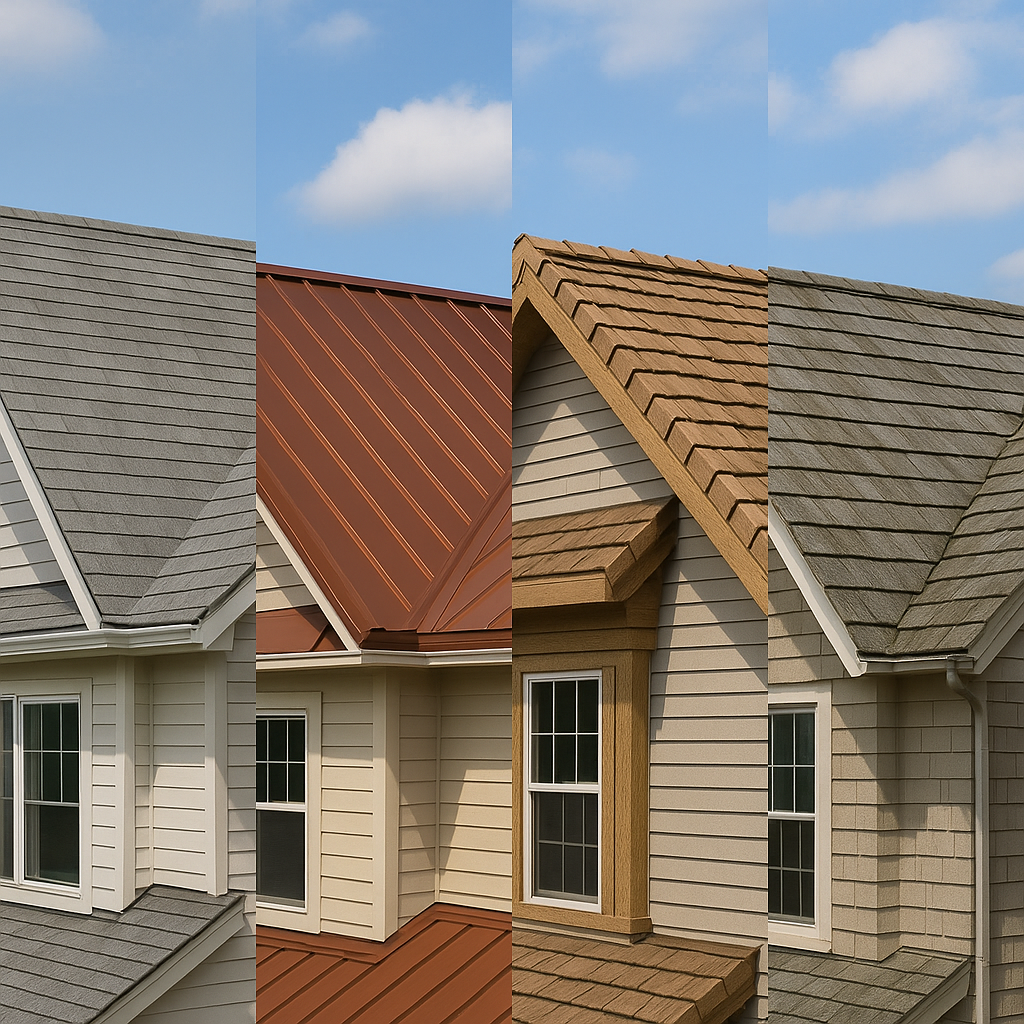
Modern metal roofing offers aesthetic versatility that surprises many homeowners. Beyond traditional commercial appearances, residential metal roofing is available in profiles that replicate the look of slate, tile, or wood shake, along with an extensive color palette that maintains its appearance through advanced paint systems. Stone-coated steel products combine metal's durability with the traditional aesthetic of asphalt shingles. With proper installation by experienced contractors familiar with metal roofing's unique installation requirements, these systems deliver on their promise of 50+ year performance while enhancing property value and curb appeal. For guidance on selecting the right metal roofing color for your home, read our article on Choosing the Perfect Metal Roofing Color for Your Home.
Comparing Lifespan Expectations Across Premium Roofing Materials
Beyond asphalt shingles and metal roofing, several premium materials offer exceptional longevity for homeowners willing to make a substantial upfront investment. Understanding the realistic lifespan expectations for these materials helps justify their higher initial costs and positions them as truly long-term solutions rather than simply expensive alternatives.
Clay and concrete tiles represent some of the longest-lasting roofing materials available, with properly installed and maintained tile roofs routinely exceeding 50 years and potentially lasting over a century. Clay tiles, fired at high temperatures, are essentially inert and resistant to rot, insect damage, and fire. Concrete tiles offer similar durability at a lower price point. Both materials provide excellent thermal mass, helping regulate indoor temperatures and reducing energy costs. However, their substantial weight—up to 900 pounds per square—requires structural evaluation and potentially reinforcement, particularly on older homes. In Western Pennsylvania's freeze-thaw climate, premium glazed tiles with lower water absorption rates perform better than unglazed alternatives.
Natural slate represents the gold standard of roofing longevity, with documented examples of slate roofs performing for 100-150 years. This metamorphic stone is incredibly dense, non-porous, and resistant to virtually all forms of weathering. A properly installed slate roof will outlast the structure beneath it, making it a genuine multi-generational investment. The challenge with slate lies not in the material's durability but in the specialized installation expertise required and the structural capacity needed to support its weight. Quality varies significantly based on quarry origin, with premium grades showing minimal water absorption and superior splitting characteristics. While the initial investment is substantial, when amortized over a century of service life, slate becomes economically competitive with materials requiring multiple replacements.
Synthetic roofing products have evolved significantly in recent years, offering compelling combinations of aesthetics, performance, and longevity. Advanced composite shingles manufactured from polymers, rubber, and fiber reinforcement replicate the appearance of slate or cedar shake while weighing far less and requiring minimal maintenance. Quality synthetic products carry warranties of 50 years and demonstrate excellent resistance to impact, fire, and biological growth. Wood alternatives eliminate concerns about rot, splitting, and insect damage that plague natural cedar shake roofs, which typically last only 20-30 years even with rigorous maintenance. When evaluating premium materials, homeowners should consider not just the expected lifespan but also maintenance requirements, structural implications, and how the material will perform in their specific climate zone. For more information on synthetic slate roofing options, read our article on Why Choose Synthetic Slate Roofing?
Maximizing Your Roof Investment Through Proper Installation And Maintenance
Even the highest-quality roofing materials will fail to achieve their expected lifespan without proper installation and ongoing maintenance. The reality is that installation quality represents the single most critical factor in determining whether your roof reaches—or exceeds—manufacturer specifications. This is why selecting an experienced, licensed contractor with a proven track record is not simply a recommendation but a necessity for protecting your investment. To learn more about maximizing your roofing investment, check out our guide on Maximizing Your Investment Tips for Getting the Most Out of Your Roof Replacement.
Professional installation begins with proper preparation and attention to the complete roofing system, not just the visible top layer. Adequate ventilation prevents heat and moisture buildup that accelerates material degradation from the inside out. High-quality underlayment provides a critical secondary water barrier and protects the roof deck during installation and throughout the roof's service life. Ice and water shield in vulnerable areas like valleys, eaves, and around penetrations prevents water infiltration during freeze-thaw cycles. Proper flashing installation around chimneys, skylights, and wall intersections prevents the most common sources of roof leaks. These details, invisible once the roof is complete, fundamentally determine long-term performance.
Ongoing maintenance extends roof lifespan and maximizes return on investment. Biannual inspections—ideally in spring and fall—identify minor issues before they escalate into costly repairs. Keeping gutters clear prevents water backup and ice dam formation. Promptly replacing damaged or missing shingles prevents water infiltration and underlying damage. Trimming overhanging branches reduces debris accumulation and prevents physical damage during storms. Addressing moss or algae growth protects material integrity and maintains aesthetic appeal. These maintenance tasks require minimal investment compared to the cost of premature roof replacement caused by deferred maintenance. For more detailed information on maintaining your roof, read our Seasonal Roof Maintenance Tips guide.
Protective coatings represent an emerging strategy for extending the lifespan of existing roofs. Advanced silicone and elastomeric roof coatings provide waterproofing, UV protection, and reflective properties that can extend an aging roof's service life by 10-15 years when applied before significant deterioration occurs. These restoration solutions offer a cost-effective alternative to full replacement when the roof structure remains sound but the surface shows age. At Bella Construction & Development, our partnerships with trusted manufacturers like Gaco provide homeowners access to proven coating systems that deliver measurable performance improvements. Whether you're installing a new roof or maintaining an existing one, our 30 years of experience in Western Pennsylvania ensures your roofing investment receives the expert attention required to achieve its full lifespan potential. Contact us today for a free estimate and discover how professional installation and maintenance practices protect your home for decades to come. To learn more about the benefits of energy-efficient roofing solutions, including protective coatings, read our article on Boost Your Energy Efficiency with a Better Roof.