Investing a few hundred dollars annually in preventative roof maintenance can save you thousands in emergency water damage repairs and protect your home's structural integrity for decades.
The True Cost of Neglecting Your Roof
When homeowners delay or skip routine roof maintenance, the financial consequences can be staggering. A professional roof inspection typically costs between $200 and $500 in Western Pennsylvania, while water damage repairs from a neglected roof can easily reach $5,000 to $15,000 or more. Beyond the immediate repair costs, water infiltration compromises your home's structural integrity, damages insulation, creates mold growth, and ruins interior finishes—problems that compound exponentially over time. For a comprehensive overview of the importance of regular inspections, check out our guide on Is A Free Roof Inspection Worth It? What Local Contractors Actually Look For.
The economic reality is straightforward: a small leak that goes undetected for months can saturate roof decking, deteriorate ceiling joists, and compromise electrical systems. What started as a minor shingle issue requiring a $300 repair can escalate into a $20,000 emergency restoration project involving structural repairs, mold remediation, and interior reconstruction. Insurance companies often scrutinize claims related to gradual deterioration, potentially leaving homeowners responsible for the full cost when maintenance records are absent. To understand the potential consequences of neglecting roof repairs, read our article on The Consequences of Ignoring Roof Repairs on Home Integrity.
Beyond direct repair expenses, neglected roofs accelerate depreciation of your entire property. Real estate appraisers and potential buyers immediately recognize deferred maintenance, reducing home value by thousands of dollars. Energy efficiency also suffers as compromised roofing systems allow heated or cooled air to escape, increasing utility bills by 15-25% annually. When you factor in the disruption to daily life, temporary housing costs during major repairs, and the stress of emergency situations, the true cost of neglecting your roof extends far beyond the initial repair estimate.
Essential Components of a Preventative Roof Maintenance Program
A comprehensive preventative roof maintenance program begins with biannual professional inspections—ideally conducted in spring and fall. During these inspections, licensed roofing professionals examine shingle condition, flashing integrity, valley performance, ventilation systems, and drainage components. They identify worn sealants, loose fasteners, granule loss, and early signs of water penetration before these issues compromise the roofing system. Documentation from each inspection creates a maintenance history that demonstrates proactive stewardship to insurance providers and future buyers. Learn more about maintaining your roof in our guide on How to Maintain Your Roof and Extend Its Life.
Regular maintenance includes targeted interventions that extend roof lifespan significantly. Debris removal from gutters and valleys prevents water backup and ice dam formation. Trimming overhanging tree branches eliminates constant moisture and prevents physical damage from falling limbs. Replacing damaged or missing shingles immediately stops water infiltration at vulnerable points. Re-sealing flashing around chimneys, skylights, and penetrations maintains waterproof barriers at critical transition areas. These relatively inexpensive interventions, when performed consistently, prevent the cascading failures that lead to expensive emergency repairs.
Modern preventative programs also incorporate protective treatments that enhance roof performance. Gaco silicone and elastomeric roof coatings provide additional waterproofing layers, UV resistance, and energy-reflective properties that reduce cooling costs. Zinc or copper strips installed at ridge lines inhibit algae and moss growth that can compromise shingle integrity. Proper attic ventilation and insulation management—often overlooked components of roof health—prevent moisture accumulation and temperature extremes that accelerate material degradation. A well-designed maintenance program addresses the entire roofing system, not just the visible surface materials. For more information on extending your roof's lifespan, check out our article on Prolonging Roof Life: Maintenance Tips with GACO Coatings.
Warning Signs That Demand Immediate Attention
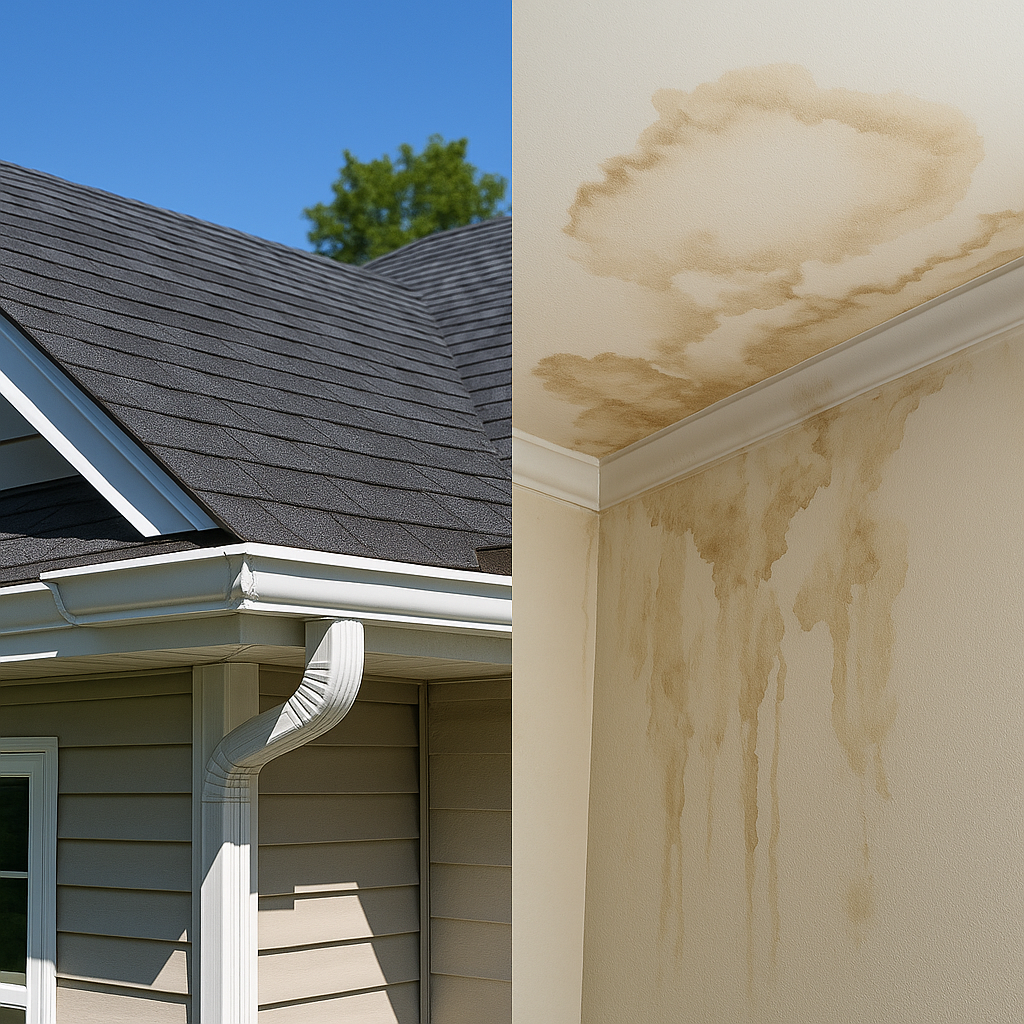
Recognizing early warning signs allows homeowners to address problems before they become emergencies. Interior indicators include water stains on ceilings or walls, peeling paint near rooflines, musty odors in attics, or visible daylight through roof boards. These symptoms suggest active water infiltration requiring immediate professional assessment. Even small stains indicate compromised waterproofing that will worsen rapidly with each rain event, particularly during Western Pennsylvania's heavy spring storms and winter freeze-thaw cycles. For a comprehensive guide on identifying these issues, read our article on 5 Clear Signs Your Roof Needs Urgent Repair.
Exterior warning signs are equally critical. Missing, cracked, or curling shingles expose underlying materials to moisture penetration. Granule accumulation in gutters indicates advanced shingle wear, as the protective mineral coating deteriorates. Sagging sections of roofline suggest structural damage from prolonged water exposure or inadequate support. Damaged or separated flashing around chimneys, vents, and valleys creates direct pathways for water entry. Dark streaks or moss growth signal moisture retention that accelerates material breakdown. Each of these conditions requires prompt professional evaluation to determine the extent of damage and appropriate remediation. Learn more about identifying these issues in our guide on How to Check if Your Roof Needs Repairs.
Timing matters significantly when addressing these warning signs. A damaged shingle identified and replaced in early stages prevents water from reaching the underlayment and decking. However, once moisture penetrates to structural components, repairs escalate from simple shingle replacement to comprehensive reconstruction involving decking replacement, insulation removal, and interior restoration. Homeowners who schedule immediate inspections upon noticing warning signs typically face repair costs 60-80% lower than those who delay until visible interior damage appears. With over 30 years of experience serving Pittsburgh and surrounding areas, Bella Construction understands how quickly minor issues become major problems in our challenging climate.
How Regular Inspections Extend Your Roof's Lifespan
Professional roof inspections function as preventative medicine for your home's most critical protective barrier. Most residential roofing systems are engineered for 20-30 year lifespans under optimal conditions, but Western Pennsylvania's weather patterns—including temperature extremes, heavy snow loads, ice dams, and severe storms—can reduce that expectancy significantly. Regular inspections identify performance issues during their earliest stages, when simple interventions restore full functionality. This proactive approach routinely extends roof lifespan by 5-10 years, representing thousands of dollars in deferred replacement costs. To understand when it's time for a replacement, read our guide on Knowing When to Replace Your Roof: A Guide.
The inspection process goes beyond visual assessment of surface conditions. Licensed professionals evaluate structural components including rafters and decking for signs of moisture damage or stress. They examine ventilation systems that regulate attic temperature and humidity—critical factors in preventing premature material failure. Inspection reports document the progressive condition of your roofing system, establishing baseline measurements against which future changes are evaluated. This longitudinal perspective allows professionals to predict when components will require attention and schedule maintenance during optimal weather windows, avoiding emergency repairs during winter storms or summer heat.
Quality inspections also identify opportunities for performance enhancement. Professionals may recommend upgraded flashing materials at vulnerable transitions, improved ventilation to reduce summer cooling costs, or protective coatings that enhance weather resistance. These strategic improvements, implemented incrementally during routine maintenance visits, continuously optimize your roofing system's performance. Homeowners who commit to regular professional inspections report fewer emergency repairs, lower lifetime ownership costs, and greater peace of mind knowing their home's structural integrity is professionally monitored and maintained.
Building a Cost-Effective Maintenance Schedule for Western Pennsylvania Climate
Western Pennsylvania's distinctive climate patterns demand a tailored maintenance approach. Our region experiences significant temperature fluctuations, heavy precipitation, substantial snow loads, and the damaging freeze-thaw cycles that are particularly harsh on roofing materials. An effective maintenance schedule aligns inspections and interventions with seasonal challenges. Spring inspections assess winter damage from ice dams, snow loads, and freeze-thaw stress, while fall inspections prepare roofing systems for the demanding cold season ahead. This biannual rhythm ensures problems are identified and resolved before seasonal conditions worsen them. For more information on protecting your roof during winter, check out our article on How to Spot Roof Winter Damage Before It Gets Worse.
Cost-effective scheduling coordinates maintenance activities to maximize efficiency and minimize disruption. Spring maintenance focuses on clearing accumulated debris, repairing winter damage, and ensuring proper drainage before heavy spring rains arrive. This is the optimal time for minor repairs while weather conditions support adhesive curing and sealant application. Fall maintenance emphasizes preparing for winter—securing loose materials, inspecting and reinforcing flashing, ensuring adequate attic ventilation and insulation, and addressing any vulnerabilities before snow and ice create additional stress. Homeowners who follow this seasonal rhythm typically invest $400-$800 annually in preventative maintenance while avoiding the $5,000-$15,000 emergency repair scenarios that plague properties without regular care. Learn more about seasonal maintenance in our Seasonal Roof Maintenance Tips by Bella Construction.
Bella Construction's maintenance programs are specifically designed for the Pittsburgh region's unique requirements. With locations serving Irwin, Scottdale, West Mifflin, Churchill, Murrysville, and Johnstown, we understand the localized weather patterns and material performance characteristics specific to Western Pennsylvania. Our maintenance schedules incorporate flexible timing to accommodate unexpected weather events, and our documentation practices create comprehensive service records that satisfy insurance requirements and enhance property value. We offer free estimates that outline recommended maintenance intervals based on your specific roofing system, property characteristics, and budget considerations. Flexible financing options make it easy to establish a preventative maintenance program that protects your investment while managing cash flow effectively. By partnering with experienced local professionals who understand your climate and your home's unique needs, you ensure your roofing system delivers maximum lifespan and reliable protection for decades to come. To learn more about why Bella Construction is your best choice for roofing services in Pittsburgh, read our article on Roofers Near Pittsburgh: Why Bella Construction is Your Best Choice.