Discover what professional roofing contractors examine during free roof inspections and why this complimentary service can save you thousands in unexpected repairs.
Why Professional Contractors Offer Free Roof Inspections
Many homeowners question why licensed roofing contractors offer complimentary roof inspections, wondering if there's a catch. The reality is that free inspections serve as a valuable service for both the homeowner and the contractor. For property owners, these assessments provide critical insights into the current condition of their roofing system without any financial commitment. For contractors with decades of experience, like those serving the Pittsburgh and Western Pennsylvania region, offering free inspections demonstrates confidence in their expertise and commitment to building long-term relationships based on trust and transparency. To learn more about what to expect during a free roof inspection, check out our guide on What to Expect During a Free Roof Inspection.
Professional roofing companies understand that most homeowners aren't trained to identify early warning signs of roof deterioration. By offering complimentary assessments, contractors can help property owners make informed decisions about maintenance, repairs, or replacement before minor issues escalate into costly emergency situations. This proactive approach aligns with building codes and industry standards that emphasize preventive maintenance as the most cost-effective strategy for protecting residential investments. For a comprehensive overview of how to check if your roof needs repairs, read our Step-by-Step Guide on How to Check if Your Roof Needs Repairs.
From a contractor's perspective, free inspections also serve as an opportunity to showcase their technical knowledge, professionalism, and attention to detail. Licensed professionals bring specialized equipment, documentation capabilities, and comprehensive understanding of roofing systems that the average homeowner simply doesn't possess. This initial assessment establishes credibility and allows homeowners to evaluate the contractor's communication style, thoroughness, and commitment to quality before any financial obligation begins. If you're considering hiring a roofing contractor, be sure to review our Top Questions to Ask When Hiring a Roofer to ensure you make an informed decision.
The Critical Components Every Licensed Roofer Examines
A comprehensive roof inspection conducted by experienced professionals follows a systematic approach that examines every critical component of your roofing system. Licensed contractors begin with an exterior assessment of the roofing material itself—whether asphalt shingles, metal roofing, or other systems—looking for signs of wear, damage, or premature aging. They evaluate the condition of individual shingles or panels, checking for curling, cracking, missing pieces, granule loss, or impact damage from hail and debris. Each roofing material has specific performance characteristics and expected lifespans, and experienced inspectors understand exactly what deterioration patterns to look for. For more information on common roof problems that inspectors often uncover, read our article on Common Roof Problems Uncovered During Inspections.
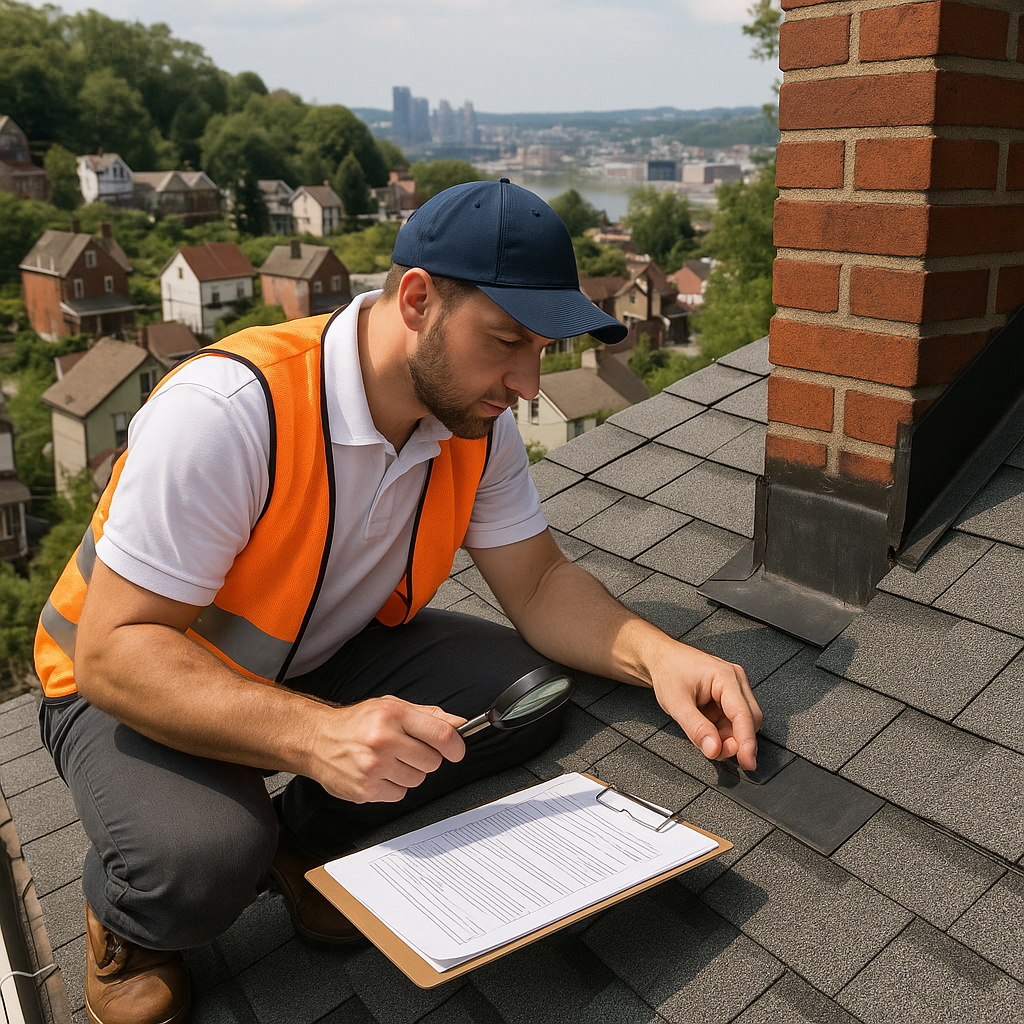
Beyond the visible roofing surface, professional contractors thoroughly examine the structural components that most homeowners overlook. This includes a detailed assessment of flashing around chimneys, skylights, vents, and valleys—areas where water intrusion most commonly occurs. They inspect soffit and fascia systems for rot, moisture damage, or ventilation issues that could compromise the entire roofing structure. Proper attic ventilation is evaluated to ensure adequate air circulation, which directly impacts energy efficiency and prevents moisture buildup that can lead to mold growth and structural deterioration. To understand the importance of proper attic ventilation, check out our article on Why Attic Ventilation Matters (And What Happens If You Ignore It).
Licensed roofers also assess the condition of gutters and downspouts, as these drainage components play a crucial role in protecting your roof and foundation from water damage. They look for proper pitch and alignment, signs of clogging or overflow, and secure attachment to the roofline. Additionally, contractors examine the roof deck from the interior when accessible, checking for sagging, water stains, or signs of structural compromise. This comprehensive evaluation provides a complete picture of your roofing system's health and helps identify potential issues before they require emergency intervention. For essential tips on maintaining your roof, including gutter care, read our guide on Caring for Your Roof: Essential Tips for Homeowners.
Hidden Warning Signs That Homeowners Miss But Contractors Spot
While homeowners might notice obvious problems like missing shingles or active leaks, experienced roofing contractors are trained to identify subtle warning signs that indicate developing issues. One of the most commonly overlooked problems is improper or deteriorating flashing. Flashing serves as a critical waterproofing barrier around roof penetrations and transitions, and even small gaps or separation can allow water infiltration that goes unnoticed until significant interior damage occurs. Professional inspectors examine these vulnerable areas with a trained eye, identifying compromised seals, rust, or separation that homeowners typically don't recognize as problematic. For more information on clear signs that your roof needs urgent repair, check out our article on 5 Clear Signs Your Roof Needs Urgent Repair.
Another hidden issue that contractors frequently discover is inadequate attic ventilation or insulation problems. These conditions manifest as ice damming in winter, excessive heat buildup in summer, and premature shingle deterioration—but homeowners often attribute these symptoms to normal aging rather than underlying ventilation deficiencies. Licensed professionals understand the relationship between proper air circulation, energy efficiency, and roof longevity. They can identify ventilation shortfalls and explain how addressing these issues can extend your roof's lifespan while reducing energy costs. To learn more about the signs of poor roof ventilation, read our article on Top Signs of Poor Roof Ventilation to Watch For.
Experienced contractors also spot early signs of structural concerns that might not be visible from ground level. This includes subtle sagging in the roofline, which could indicate deteriorating decking or compromised support structures. They recognize patterns of granule loss on asphalt shingles that suggest accelerated aging or manufacturing defects. They identify nail pops, improper installation from previous work, and signs of trapped moisture within the roofing system. These hidden warning signs, when caught early by professional assessment, can save homeowners thousands of dollars in extensive repairs that would be necessary if problems continue undetected. For more information on the signs of trapped moisture under shingles, check out our article on Signs of Trapped Moisture Under Shingles You Shouldn't Ignore.
What Happens After Your Free Inspection Is Complete
Once a thorough inspection is complete, reputable contractors provide a detailed assessment report that clearly outlines their findings. This documentation should include specific observations about each component of your roofing system, photographic evidence of any issues identified, and a prioritized list of recommendations. Professional contractors distinguish between urgent repairs that require immediate attention, preventive maintenance that should be scheduled soon, and minor issues that can be monitored over time. This transparent approach empowers homeowners to make informed decisions based on actual conditions rather than high-pressure sales tactics. To understand the importance of professional roof inspections and what they entail, read our Essential Guide to Roof Inspections: What Homeowners Need to Know.
Quality contractors will take time to review inspection findings with you, explaining technical terms in accessible language and answering questions about the condition of your roof. They should provide clear explanations of what repairs or replacements are necessary, why they're recommended, and what risks exist if issues aren't addressed. This consultation often includes discussion of material options, project timelines, and preliminary cost estimates. Contractors with over 30 years of experience understand that homeowners need complete information to make confident decisions about significant investments in their property. If you're considering a roof replacement, our guide on Knowing When to Replace Your Roof can provide valuable insights to help you make an informed decision.
Following the inspection and consultation, professional contractors provide written estimates that detail the scope of work, materials to be used, project duration, and transparent pricing. They should explain warranty coverage for both materials and workmanship, outline their project management process, and discuss financing options if needed. Reputable companies don't pressure homeowners into immediate decisions but instead provide the information and time necessary to evaluate options. They understand that building trust through transparency and professionalism leads to satisfied customers and long-term relationships—which is why they offer comprehensive free inspections in the first place. For guidance on choosing the right contractor for your roofing project, check out our article on Choosing a Roofing Contractor: 10 Questions to Ask.
How To Prepare For Your Complimentary Roof Assessment
Preparing for a professional roof inspection helps ensure that contractors can conduct a thorough evaluation and provide you with the most accurate assessment possible. Start by gathering any documentation related to your roof's history, including installation dates, previous repair records, warranty information, and details about past storm damage or insurance claims. This background information helps inspectors understand your roof's age, maintenance history, and any recurring issues that might indicate underlying problems. If you've noticed specific concerns like water stains, missing shingles, or interior leaks, document these observations with photos and notes to share with the inspector. For more tips on preparing your roof for different seasons, including summer, read our article on 3 Tips To Prepare Your Roof For Summer.
Ensure that contractors have clear access to all areas they need to evaluate. This includes removing vehicles from the driveway to allow equipment placement, trimming any tree branches that obstruct roof access, and clearing items stored in the attic if interior assessment is planned. If you have pets, arrange to secure them during the inspection to ensure everyone's safety. Additionally, unlock any gates or access points around your property perimeter so inspectors can examine all sides of your roofing system and evaluate drainage patterns around your foundation.
Prepare a list of questions you want to ask during the post-inspection consultation. Consider inquiring about the expected remaining lifespan of your current roof, recommended maintenance schedules, energy efficiency improvements that could benefit your specific situation, and financing options if significant work is needed. Don't hesitate to ask about the contractor's licensing, insurance coverage, and references from recent projects. Professional contractors welcome these questions because they demonstrate your commitment to making an informed decision. Remember that a free roof inspection is an investment of the contractor's time and expertise—approaching it as a collaborative assessment rather than a sales call helps establish the foundation for a positive working relationship if repairs or replacement become necessary. For more information on finding reputable roofers who offer free estimates, check out our guide on Finding Roofers with Free Estimates: What You Need to Know.