
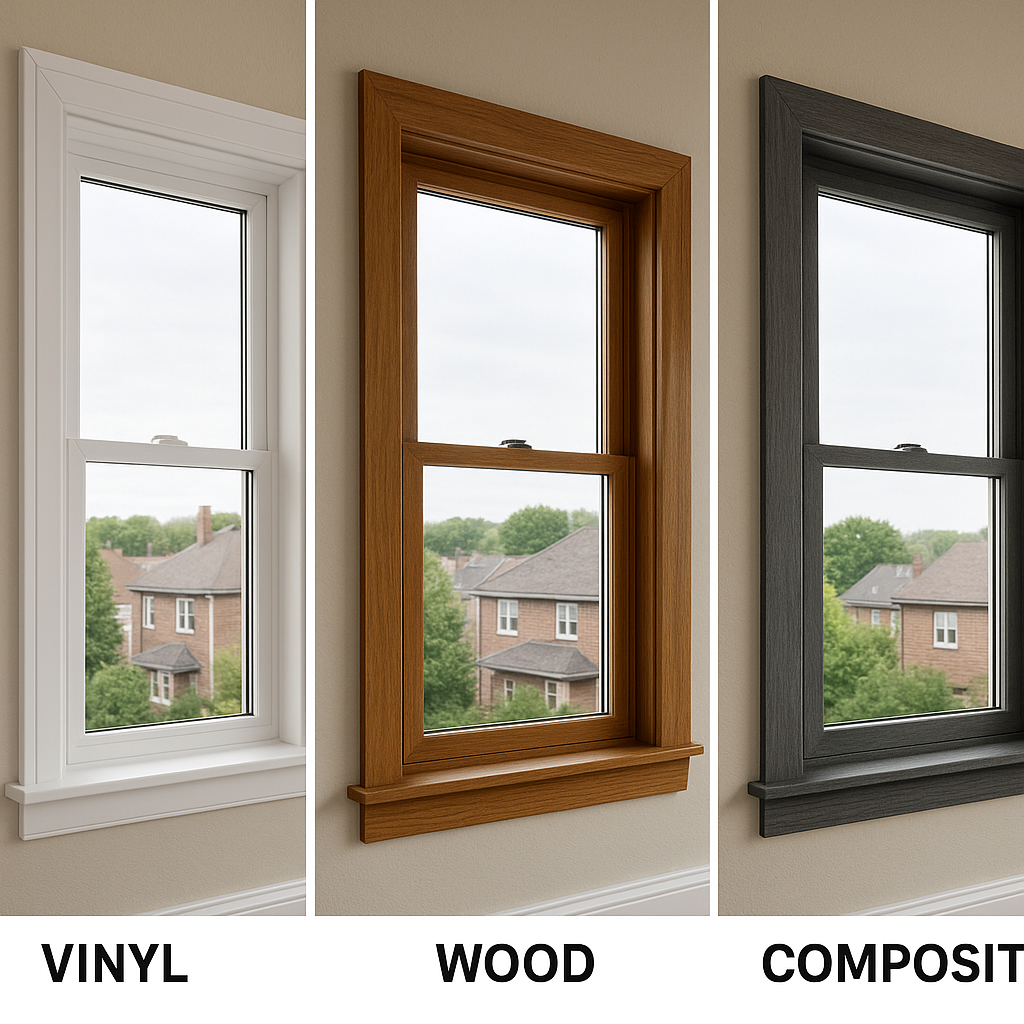
Choosing the right window material can dramatically impact your home's energy efficiency, maintenance costs, and curb appeal for decades to come.
Understanding Your Window Material Options
When it's time to replace your home's windows, the material you choose will influence everything from your monthly energy bills to how much time you spend on maintenance over the coming decades. For homeowners throughout Western Pennsylvania, where our climate demands windows that can withstand harsh winters, humid summers, and everything in between, this decision carries significant weight. To learn more about the latest advancements in window technology, check out our guide on The Latest Trends in Windows for 2025.
The three most popular window frame materials—vinyl, wood, and composite—each offer distinct advantages and trade-offs. Vinyl windows have become the most common choice for residential applications due to their affordability and low maintenance requirements. Wood windows remain the gold standard for traditional aesthetics and premium performance. Composite windows represent a newer innovation that combines engineered materials to deliver enhanced durability and thermal efficiency. For a deeper dive into the benefits of one of these popular options, explore our article on Discover the Benefits of Vinyl Windows for Your Energy Bills.
Understanding the performance characteristics, maintenance requirements, cost considerations, and aesthetic qualities of each material will help you make an informed decision that aligns with your home's architectural style, your budget, and your long-term goals for energy efficiency and curb appeal. Let's explore what makes each window material unique and how they perform in real-world conditions across the Pittsburgh region. For more insights on how different window styles can impact your home's appearance, read our article on The Impact of Window Style on Your Home's Aesthetics.
Vinyl Windows: Low-Maintenance Affordability For Western Pennsylvania Homes
Vinyl windows have earned their reputation as the most popular residential window option for good reason. Manufactured from polyvinyl chloride (PVC), these windows offer an exceptional balance of performance, affordability, and minimal maintenance requirements that appeal to budget-conscious homeowners throughout Pittsburgh and surrounding communities.
The primary advantage of vinyl windows is their resistance to moisture, rot, and insect damage—critical factors in Western Pennsylvania's variable climate. Unlike wood, vinyl won't warp, crack, or deteriorate when exposed to rain, snow, and humidity. This inherent durability means vinyl windows typically require nothing more than occasional cleaning with soap and water to maintain their appearance and function. There's no painting, staining, or sealing required, which translates to significant time and cost savings over the window's lifespan.
Modern vinyl windows feature multi-chamber extrusion designs that enhance structural integrity and thermal performance. When properly installed with quality weatherstripping and insulated glass units, vinyl windows provide excellent energy efficiency that can reduce heating and cooling costs year-round. Many vinyl windows now incorporate low-E coatings and argon or krypton gas fills between panes to further improve their insulating properties.
Cost-effectiveness is another compelling benefit. Vinyl windows generally represent the most affordable option for full-home window replacement projects, making them accessible to homeowners working within strict budget constraints. When combined with flexible financing options, vinyl windows enable property owners to upgrade their homes' energy efficiency and curb appeal without breaking the bank.
However, vinyl windows do have limitations. Color options, while expanding, remain more limited than wood, and the material cannot be repainted if you want to change your home's exterior appearance in the future. Vinyl can also expand and contract with temperature fluctuations, which may affect operation in extreme conditions. Additionally, lower-quality vinyl products may become brittle or discolored over time, particularly with prolonged sun exposure, making it essential to select windows from reputable manufacturers with proven track records and comprehensive warranties.
Wood Windows: Classic Beauty With Premium Performance
Wood windows have graced homes for centuries, and their enduring appeal stems from their unmatched natural beauty, authentic character, and superior thermal performance. For homeowners who value traditional aesthetics or own historic properties in Pittsburgh's established neighborhoods, wood windows often represent the ideal choice—provided you're prepared for their premium price point and maintenance requirements.
The aesthetic versatility of wood is unparalleled. Wood frames can be stained to showcase the natural grain or painted in virtually any color to complement your home's architectural style. This flexibility makes wood windows the preferred choice for period-accurate restorations, historic district compliance, and high-end custom homes where authentic materials and craftsmanship are paramount. The dimensional stability and workability of wood also allow for more intricate profiles and designs that simply aren't possible with extruded vinyl or composite materials. If you're looking to enhance your home's overall appearance, consider how Boost Your Home's Curb Appeal with Stylish Windows can make a significant impact.
From a performance standpoint, wood is a naturally insulating material with excellent thermal properties. Wood frames provide inherently superior energy efficiency compared to aluminum or vinyl, helping to reduce heat transfer and maintain comfortable interior temperatures. When combined with modern insulated glass technology, low-E coatings, and quality weatherstripping, wood windows can achieve outstanding energy performance that translates to lower utility bills and enhanced comfort throughout Western Pennsylvania's temperature extremes.
The primary drawback of wood windows is their maintenance burden. Wood is vulnerable to moisture damage, rot, insect infestation, and warping if not properly maintained. To protect your investment, wood windows require regular inspection, periodic painting or staining (typically every 3-7 years depending on exposure and climate), and prompt attention to any signs of deterioration. In our region's humid summers and freezing winters, this maintenance commitment becomes even more critical to prevent costly repairs.
Wood windows also command premium pricing—often costing two to three times as much as comparable vinyl units for both materials and professional installation. However, for homeowners who prioritize authentic aesthetics, superior craftsmanship, and the warmth that only natural wood can provide, this investment delivers lasting value and timeless appeal. Many property owners find that wood windows enhance their home's resale value, particularly in established neighborhoods where architectural integrity and quality materials are highly valued.
Composite Windows: The Best Of Both Worlds
Composite windows represent an innovative evolution in window technology, engineered to deliver the aesthetic appeal and performance characteristics of wood while eliminating many of its maintenance challenges. These advanced window systems combine wood fibers, polymers, and other materials into a durable, stable substrate that resists rot, moisture damage, and dimensional changes that plague traditional wood frames.
The manufacturing process for composite window frames varies by manufacturer, but most use a blend of wood fiber or sawdust combined with thermoplastic polymers to create a material that's stronger and more dimensionally stable than wood alone. This engineered approach results in frames that won't warp, split, or deteriorate when exposed to moisture, humidity, or temperature fluctuations—significant advantages for Pittsburgh-area homes that endure our region's demanding seasonal weather patterns.
Like wood windows, composite frames offer excellent thermal performance due to their low conductivity and dense construction. The material naturally resists heat transfer, contributing to improved energy efficiency and reduced heating and cooling costs. Many composite windows achieve energy performance ratings comparable to or exceeding premium wood windows, making them an attractive option for homeowners focused on long-term energy savings and sustainability.
From an aesthetic perspective, composite windows bridge the gap between vinyl and wood. The material can be finished with paint or specialized coatings that provide the look and feel of traditional wood while offering superior durability. Some composite products feature authentic wood veneers on the interior side, giving you the warm, natural appearance inside your home while the composite exterior withstands the elements with minimal maintenance. This hybrid approach allows homeowners to enjoy classic aesthetics without the burden of regular painting, staining, and weather-related deterioration.
Maintenance requirements for composite windows fall between vinyl and wood. While they don't require the regular painting or staining that wood demands, composite windows do benefit from periodic cleaning and inspection. The finish may need refreshing every 8-15 years depending on exposure and product specifications—still far less frequent than wood but more involved than vinyl's essentially maintenance-free operation.
Cost is a consideration with composite windows. They typically fall in the middle of the price spectrum—more expensive than vinyl but generally less costly than premium wood windows. This pricing reflects the advanced engineering and manufacturing processes involved, as well as the material's enhanced performance characteristics. For many homeowners, the combination of durability, low maintenance, and aesthetic flexibility makes composite windows a worthwhile investment that balances initial cost with long-term value.
Making The Right Choice For Your Pittsburgh Home
Selecting the ideal window material for your Western Pennsylvania home requires careful consideration of multiple factors, including your budget, architectural style, maintenance preferences, performance expectations, and long-term homeownership plans. There's no universally "best" option—only the right choice for your specific circumstances and priorities. To help you make an informed decision, check out our guide on 9 Essential Questions to Ask Prospective Replacement Window Contractors.
Budget considerations often drive the decision-making process. If affordability is your primary concern and you want to maximize your return on investment through reduced energy costs and minimal maintenance, vinyl windows represent an excellent value proposition. They deliver solid performance at an accessible price point, making comprehensive window replacement financially feasible for more homeowners. With flexible financing options available through trusted financial institutions, upgrading to energy-efficient vinyl windows becomes even more attainable.
For homeowners who prioritize authentic aesthetics, own historic properties, or simply prefer the warmth and character of natural materials, wood windows remain the gold standard despite their premium cost and maintenance requirements. The investment in wood windows often pays dividends in enhanced curb appeal, architectural authenticity, and potential resale value, particularly in established Pittsburgh neighborhoods where quality craftsmanship and period-appropriate materials are highly valued.
Composite windows offer a compelling middle ground for those who want the aesthetic qualities and thermal performance of wood without the maintenance burden. If you're drawn to traditional window styling but don't want to commit to regular painting and weatherproofing, composite materials provide an innovative solution that balances multiple priorities. They're particularly well-suited for new construction, contemporary designs, and situations where long-term durability in harsh weather conditions is paramount.
Climate considerations specific to Western Pennsylvania should inform your decision. Our region's cold winters, humid summers, freeze-thaw cycles, and occasional severe weather demand windows that can withstand temperature extremes and moisture exposure. All three materials can perform well in these conditions when properly manufactured, installed, and maintained, but their vulnerability to specific environmental factors varies significantly.
Proper installation is critical regardless of which material you choose. Even the highest-quality windows will underperform if not installed correctly with appropriate weatherproofing, insulation, and attention to building code requirements. Working with licensed, experienced professionals who understand local climate conditions and installation best practices ensures your investment delivers the expected energy efficiency, durability, and performance for decades to come. For more information on the importance of professional installation, read our article on DIY Vs. Professional Installation: What You Need To Know About Replacing Windows.
At Bella Construction & Development, we've helped countless Western Pennsylvania homeowners navigate this important decision over our more than 30 years serving the Pittsburgh region. Our team can assess your home's specific needs, explain the practical implications of each material option, and provide expert installation backed by our 100% satisfaction guarantee. We offer free estimates and flexible financing solutions to make your window replacement project both achievable and stress-free. Whether you choose vinyl, wood, or composite windows, our commitment to quality craftsmanship and customer service ensures you'll enjoy improved energy efficiency, enhanced curb appeal, and lasting protection for your most important investment—your home.