
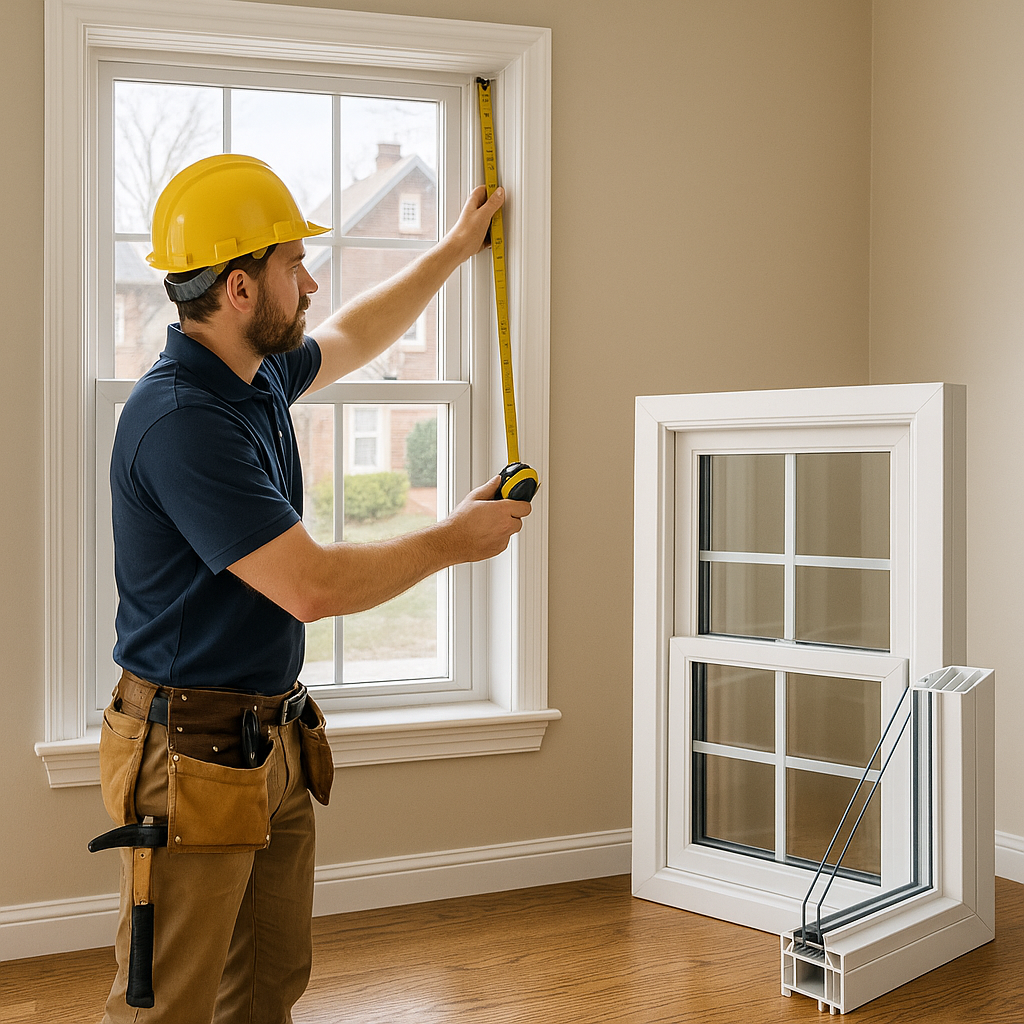
Understanding window replacement costs in 2026 helps homeowners budget effectively while improving energy efficiency, curb appeal, and long-term property value.
Breaking Down the Average Cost of Window Replacement
When planning a window replacement project in 2026, homeowners in Western Pennsylvania should expect to invest between $450 and $1,200 per window on average, depending on several key factors. This price range typically includes both materials and professional installation, though the total cost for a full-home project can vary significantly based on your property's specific needs and the quality of materials selected. For a comprehensive comparison of window materials and their features, check out our guide on Vinyl Vs Wood Vs Composite Windows: Which Is Best For Your Home.
For a typical residential home requiring 10-15 window replacements, total project costs generally range from $7,000 to $18,000. Single-hung vinyl windows represent the most budget-friendly option, often starting around $450-$600 per unit installed. Double-hung windows with improved energy efficiency features typically cost $600-$900 per window, while premium options like casement windows or specialty shapes can exceed $1,000 per unit.
Understanding these baseline costs helps you develop a realistic budget while planning for the significant benefits window replacement delivers. Modern, properly installed replacement windows can reduce energy costs by 15-25% annually, improve your home's curb appeal, and provide long-term protection against weather damage—critical considerations for homeowners throughout the Pittsburgh region who face harsh winter conditions and seasonal temperature fluctuations. To learn more about the energy-saving potential of new windows, read our article on Energy Efficiency 101: How New Windows Can Save You Money.
Key Factors That Impact Your Window Replacement Investment
Several critical factors influence the final cost of your window replacement project, starting with window size and configuration. Standard-sized windows cost significantly less than custom dimensions or specialty shapes like bay, bow, or picture windows. The number of panes also affects pricing—single-pane windows are least expensive but offer minimal insulation, while double-pane and triple-pane options provide superior energy efficiency at higher price points.
Labor costs represent another substantial component, typically accounting for 30-40% of your total project investment. Professional installation ensures proper sealing, weatherproofing, and structural integrity—essential for preventing water damage, air leakage, and premature window failure. At Bella Construction & Development, our experienced installation teams bring over 30 years of expertise to every project, ensuring windows are installed to manufacturer specifications and local building code requirements. For more information on the importance of professional installation, read our article on The Importance of Proper Installation: Why It's Not Just About the Materials.
Geographic location also impacts costs due to regional labor rates, permit requirements, and climate-specific performance standards. Homeowners in Western Pennsylvania should prioritize windows rated for our climate zone, with appropriate U-factors and Solar Heat Gain Coefficients (SHGC) that balance winter heat retention with summer cooling efficiency. The condition of your existing window frames and surrounding structures may also require additional carpentry work, which can increase project scope and associated costs.
Material Matters: Comparing Window Types and Price Points
Vinyl windows remain the most popular choice for residential replacement projects, offering an excellent balance of affordability, energy efficiency, and low maintenance requirements. Quality vinyl windows typically range from $450-$800 per unit installed and never require painting or staining. Modern vinyl formulations resist fading, warping, and impact damage far better than earlier generations, making them a durable choice for the Pittsburgh climate. To explore the benefits of vinyl windows in more detail, check out our comprehensive guide on Vinyl Vs Wood Vs Composite Windows: Which Is Best For Your Home.
Fiberglass windows represent a premium option, generally costing $700-$1,200 per window installed. These windows offer superior strength, dimensional stability across temperature extremes, and exceptional longevity—often lasting 40+ years with minimal maintenance. Fiberglass frames can be painted to match your home's exterior and provide better structural performance than vinyl, particularly for larger window openings.
Wood and wood-clad windows occupy the high end of the price spectrum at $900-$1,500+ per unit, delivering unmatched aesthetic appeal and customization options. While beautiful, wood windows require regular maintenance to prevent rot, warping, and insect damage. Wood-clad options—featuring aluminum or vinyl exteriors with wood interiors—offer reduced maintenance while preserving the warmth and character of real wood. Aluminum windows, though less common for full replacements, provide sleek modern aesthetics and durability at moderate price points of $600-$900 per window.
Hidden Costs and Budget Considerations for Your Project
Beyond the base cost of windows and installation, homeowners should budget for several additional expenses that commonly arise during replacement projects. Structural repairs may be necessary if water damage, rot, or insect infestation has compromised window frames, surrounding walls, or sills. These repairs are essential for ensuring proper window performance and typically add $200-$500 per affected window to your project cost.
Permit fees and inspection costs vary by municipality throughout Western Pennsylvania but generally range from $50-$200 per project. Professional contractors handle permit applications and coordinate required inspections, ensuring your project meets all local building codes and energy efficiency standards. Additional costs may include trim and finish work, particularly if you're changing window sizes or styles, as well as exterior painting or siding repairs around new window installations.
Interior finishing costs often surprise homeowners but are essential for a complete, professional appearance. New window trim, drywall repair, painting, and potentially new window treatments should all factor into your budget planning. Setting aside an additional 10-15% of your base project cost for unexpected expenses provides financial flexibility and reduces stress if complications arise during installation. At Bella Construction & Development, we provide detailed, transparent estimates upfront and communicate clearly about any additional work required as projects progress.
Maximizing Value Through Energy Efficiency and Financing Options
Investing in energy-efficient windows delivers measurable long-term value that extends far beyond the initial installation cost. Look for ENERGY STAR-certified windows appropriate for the Northern climate zone, which feature low U-factors (0.30 or below) for superior insulation and balanced SHGC ratings that reduce heating costs in winter while minimizing cooling loads in summer. These high-performance windows can reduce your annual energy bills by $150-$400, providing payback periods of 8-12 years while enhancing comfort throughout your home. For more information on the energy-saving potential and available tax credits for energy-efficient windows, read our article on 2025 Tax Credits for Energy Efficient Windows and Doors.
Additional energy-efficient features worth considering include Low-E (low-emissivity) glass coatings, argon or krypton gas fills between panes, and warm-edge spacer systems that minimize thermal transfer at glass edges. While these upgrades add $50-$150 per window to upfront costs, they significantly improve thermal performance and may qualify for federal tax credits or state energy efficiency rebates that offset initial investments.
Understanding the true return on investment helps justify your window replacement project. Beyond energy savings, new windows increase property value by an average of $8,000-$15,000 for a full-home replacement, improve curb appeal, reduce exterior maintenance requirements, and enhance indoor comfort by eliminating drafts and cold spots. At Bella Construction & Development, we offer flexible financing options through trusted financial institutions, making it easier to move forward with your project without depleting savings. Our team provides free estimates and works with you to select windows that align with your budget, performance expectations, and long-term goals—ensuring you receive maximum value from your investment while protecting your home for decades to come. To learn more about how new windows can transform your home, read our article on Transforming Homes: American Homeowners Embrace Window Replacement.