
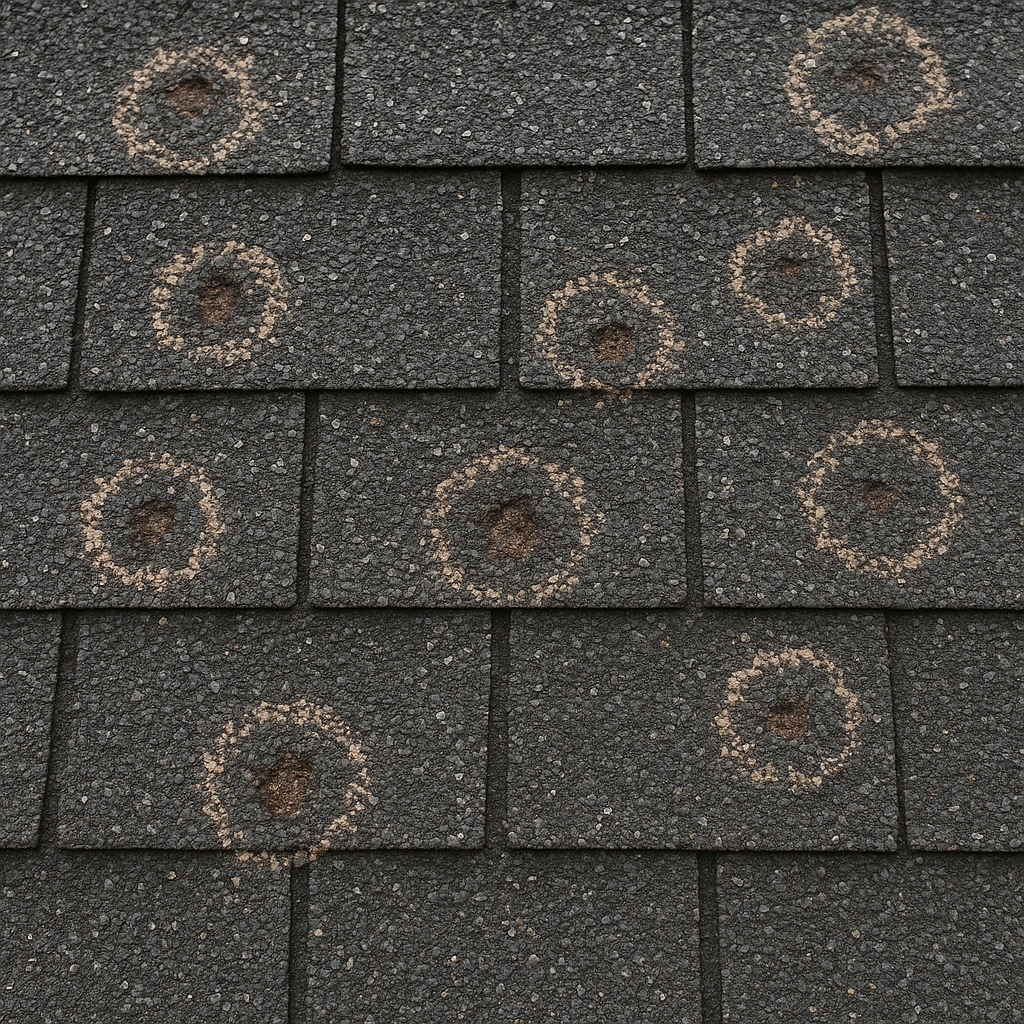
Hail damage can compromise your roof's integrity and lead to costly leaks—learn how to identify the telltale signs before minor damage becomes a major problem.
Understanding How Hail Damages Different Roofing Materials
Hail impacts roofing materials differently depending on their composition, age, and installation quality. When hailstones strike your roof with sufficient force, they can compromise the protective layers that shield your home from water infiltration and weather exposure. Understanding these material-specific vulnerabilities helps you conduct a more informed inspection after a severe storm passes through Western Pennsylvania.
Asphalt shingles—the most common roofing material in the Pittsburgh area—are particularly susceptible to hail damage because of their layered construction. The protective granules on the surface can be displaced or knocked off entirely, exposing the underlying asphalt mat to UV radiation and moisture. The impact can also create bruising or fractures in the mat itself, weakening the shingle's structural integrity even when the damage isn't immediately visible from ground level.
Metal roofing systems, while exceptionally durable, can still sustain cosmetic denting from large hailstones, though they typically maintain their waterproofing capabilities. The functional performance of metal roofs often remains intact even after hail events, but dents may affect the aesthetic appeal and can indicate the severity of impacts that other roof components experienced. Wood shakes can split or crack under hail impact, while tile and slate materials may chip or fracture completely, requiring immediate replacement of damaged sections.
The age and condition of your roofing material significantly influence how it responds to hail. Older shingles that have already experienced granule loss and weathering deterioration are more vulnerable to hail damage than newer installations. Similarly, improper installation—such as inadequate fastening or incorrect overlap patterns—can exacerbate hail damage and create entry points for water infiltration. This is why working with experienced, licensed professionals for initial installation is crucial for long-term roof performance and storm resilience.
Key Visual Indicators of Hail Impact on Asphalt Shingles
Recognizing hail damage on asphalt shingles requires knowing what to look for, as the signs can range from obvious to subtle. The most apparent indicator is granule loss—areas where the protective mineral coating has been knocked away, leaving dark or discolored spots on the shingle surface. These exposed areas appear as black or inconsistent-colored patches and feel noticeably different to the touch compared to undamaged sections. You may also notice an excessive accumulation of granules in your gutters and downspouts following a hailstorm, which signals that your shingles have sustained impact damage.
Hail hits typically create round or irregular divots in the shingle surface, sometimes described as bruising. These impact marks may have a soft spot in the center where the shingle mat has been compressed or fractured beneath the surface. When you press gently on these areas, they may feel spongy or give slightly compared to the surrounding intact shingle. The damage pattern is usually random across the roof surface rather than uniform, reflecting the chaotic nature of hailstone distribution during a storm.
Cracked or split shingles represent more severe hail damage that requires immediate attention. These fractures can run horizontally, vertically, or diagonally across the shingle surface and create direct pathways for water to penetrate the roof deck. Look for tears at the shingle edges or corners, as these areas are particularly vulnerable to tearing loose during subsequent wind events. Damaged or missing shingle tabs—the rectangular sections that create the dimensional appearance—are another clear sign that hail has compromised your roof's protective barrier.
Shiny spots on shingles can also indicate hail impact, particularly on newer roofs. When hailstones strike with sufficient force, they can create a polished appearance where the protective coating has been fractured but not entirely removed. Additionally, inspect the condition of roof accessories including vents, flashing, and ridge caps, as these components often show damage more readily than field shingles. Dented metal vents, cracked plastic vent covers, and compromised flashing seals all provide supporting evidence of hail impact severity and help document the extent of damage for insurance purposes.
Spotting Hidden Damage Beyond the Obvious Dents
While visible surface damage draws immediate attention, hail can cause significant hidden damage that compromises your roof's long-term performance without creating obvious visual indicators. The underlying roof deck, waterproofing membranes, and structural components may sustain impacts that only become apparent months or years later when secondary problems like leaks and water damage emerge. Conducting a thorough inspection that goes beyond surface-level assessment is essential for protecting your property investment.
Compromised roof underlayment represents one of the most concerning forms of hidden hail damage. Even when shingles appear relatively intact, the force of hail impacts can transfer through to the underlayment—the waterproofing barrier between shingles and roof deck. Tears, punctures, or compression damage to this critical layer creates pathways for water infiltration that bypass the visible shingle surface. Without proper inspection by experienced roofing professionals, this damage often goes undetected until interior water stains or mold growth signals that moisture has been penetrating the roof structure.
Soffit and fascia damage frequently accompanies roof hail damage but receives less attention during initial assessments. Hailstones can dent, crack, or puncture these components, particularly when storms include horizontal wind-driven hail. Damaged soffit panels may allow moisture into attic spaces and compromise ventilation performance, while fascia damage can affect gutter attachment integrity and create water management problems. Inspect these areas carefully for impact marks, cracks, and separation from the roof line.
Attic inspection provides valuable evidence of hidden roof damage that exterior examination alone may miss. Look for water stains on roof decking, which indicate that moisture has penetrated through damaged shingles and underlayment. Check insulation for dampness or compression, and examine rafters for signs of moisture exposure. Daylight visible through the roof deck signals perforation or significant damage requiring immediate repair. These interior indicators help document the full extent of storm damage and support insurance claims by demonstrating that hail has compromised the complete roofing system, not just surface-level components.
When to Call a Professional Roofing Inspector After a Storm
Timing your professional roof inspection appropriately after a hailstorm maximizes your ability to document damage accurately and initiate repairs before secondary problems develop. While immediate safety concerns should be addressed right away, scheduling a comprehensive professional assessment within a few days to two weeks after the storm provides optimal conditions for identifying all forms of damage. This window allows debris to clear while preserving fresh evidence of hail impacts before weathering begins to obscure damage indicators.
Contact a licensed roofing professional immediately if you observe any of the following conditions: active leaks or water infiltration, missing shingles or exposed roof deck, significant visible damage to multiple roof sections, or damage to critical components like flashing and vents. These situations require urgent attention to prevent additional water damage to your home's interior and structural components. At Bella Construction & Development, our experienced team provides prompt response for storm damage assessments throughout the Pittsburgh area, helping homeowners protect their properties before minor damage escalates into costly repairs.
Even without obvious damage, professional inspection is warranted after any hailstorm that included stones larger than one inch in diameter or that lasted more than a few minutes. Insurance companies typically recognize that storms of this magnitude have the potential to cause roof damage, and documenting the condition of your roof immediately after such events protects your coverage eligibility. Professional inspectors have the training, equipment, and experience to identify subtle damage indicators that homeowners often overlook, including granule loss patterns, mat bruising, and compromised sealant integrity.
Working with local, established contractors offers significant advantages during the post-storm inspection and repair process. With over 30 years of experience serving Western Pennsylvania, we understand regional weather patterns, common storm damage scenarios, and local building codes that affect repair requirements. Our familiarity with insurance claim procedures and documentation requirements helps homeowners navigate the claims process efficiently. We provide detailed inspection reports with photographic evidence, damage assessment summaries, and repair recommendations that support insurance claims while giving you a clear understanding of your roof's condition and necessary next steps. Our free estimates ensure you understand the scope and cost of repairs before making decisions about your home's protection.
Protecting Your Investment with Proper Documentation and Next Steps
Thorough documentation immediately following a hailstorm serves as the foundation for successful insurance claims and ensures your roof receives necessary repairs. Begin by photographing all visible damage from multiple angles, including close-ups of individual damaged shingles and wider shots showing damage distribution across roof sections. Document the condition of gutters, downspouts, vents, and other roof accessories. Take interior photographs of any water stains, ceiling damage, or attic evidence of moisture penetration. Date-stamp all documentation and keep detailed records of when the storm occurred, its duration, and estimated hail size based on weather service reports.
Contact your insurance company promptly to report potential hail damage and initiate the claims process. Most homeowner policies include specific timeframes for reporting storm damage, and delays can complicate or jeopardize coverage. Request a copy of your policy to understand coverage limits, deductibles, and claim procedures. When the insurance adjuster schedules their inspection, having a professional roofing contractor present provides valuable technical expertise during the damage assessment. Our team works directly with insurance adjusters to ensure all damage is properly identified and documented, supporting your claim while advocating for comprehensive repairs that fully restore your roof's protective capabilities.
Selecting the right roofing contractor for storm damage repairs significantly impacts the quality and longevity of restoration work. Look for licensed, insured professionals with established local presence and proven track records in storm damage restoration. Verify credentials, check customer reviews and ratings, and request references from recent storm repair projects. At Bella Construction & Development, we bring over three decades of experience to every project, maintaining a 4.6-star Google rating through our commitment to quality craftsmanship, professional project management, and complete customer satisfaction. Our certified partnerships with industry-leading manufacturers like Owens Corning ensure your repairs use premium materials backed by comprehensive warranties.
Beyond immediate repairs, consider long-term roof protection strategies that enhance storm resilience for future weather events. Modern roofing materials offer improved impact resistance ratings, with Class 4 impact-resistant shingles providing the highest level of protection against hail damage. Upgrading to these advanced materials during repair or replacement can reduce future storm damage risk and may qualify you for insurance premium discounts. We offer flexible financing options that make investing in superior protection affordable, with payment plans tailored to your budget. Our comprehensive approach includes proper ventilation, quality underlayment, and precise installation techniques that maximize your roof's performance and durability. Schedule your free estimate today to explore how we can restore your roof's integrity and enhance its long-term weather protection for your home.