
Understanding your insurance coverage for winter roof damage could save you thousands in unexpected repair costs.
Understanding Ice Dams And How They Cause Roof Damage
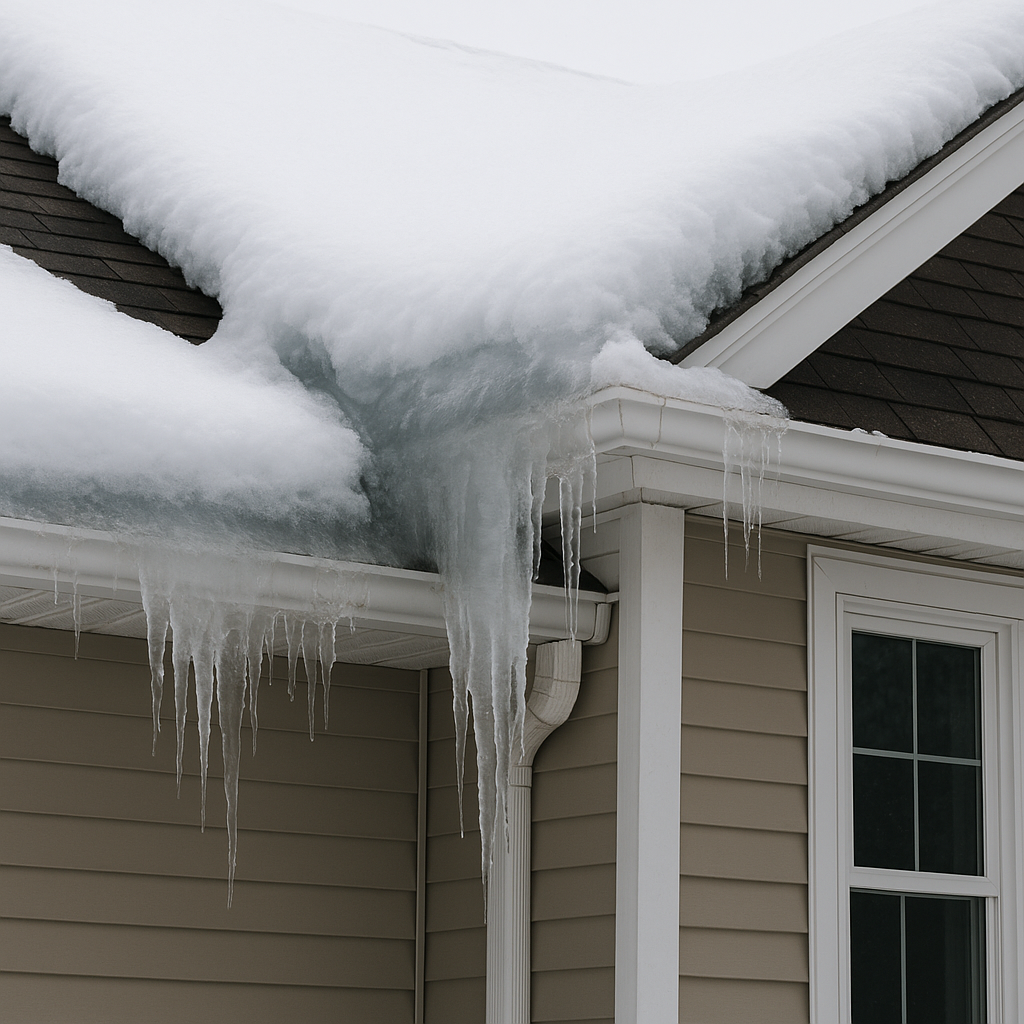
Ice dams form when snow on your roof melts due to heat escaping from your home, flows down to the colder eaves, and refreezes. This creates a ridge of ice along the roof's edge that prevents subsequent melting snow from draining properly. As water backs up behind the ice dam, it can seep under shingles, penetrate the roof deck, and eventually leak into your home's interior, causing damage to ceilings, walls, insulation, and personal property. For more information on how to prevent this issue, check out our guide on Effective Ways to Prevent Ice Dams on Your Roof.
The formation process typically begins with inadequate attic insulation and ventilation, which allows heat from your living spaces to warm the roof deck unevenly. This temperature differential is the primary culprit behind ice dam development. The outer edges of the roof, which extend beyond your home's heated envelope, remain cold enough to freeze the water running down from the warmer sections above. As this cycle repeats throughout winter, the ice dam grows larger and the risk of water infiltration increases significantly. To learn more about the importance of proper attic ventilation in preventing these issues, read our article on Why Attic Ventilation Matters (And What Happens If You Ignore It).
Understanding this mechanism is crucial for homeowners in Western Pennsylvania, where heavy snowfall and temperature fluctuations create ideal conditions for ice dam formation. The damage can be extensive and costly, affecting not just the roof itself but also the underlying structure, insulation, and interior finishes. With over 30 years of experience serving the Pittsburgh region, we've seen firsthand how winter weather can impact roofing systems and the importance of both proper installation and preventive maintenance. For a comprehensive guide on protecting your roof during winter, check out our article on How to Avoid Roof Ice Dams This Winter.
What Most Homeowners Insurance Policies Cover For Winter Roof Leaks
Most standard homeowners insurance policies will cover sudden and accidental damage caused by ice dams, provided the damage occurs despite reasonable home maintenance. This typically includes water damage to your home's interior, such as damaged ceilings, walls, flooring, and personal belongings. The cost to repair or replace damaged building materials and the expense of removing the ice dam itself are usually covered under the dwelling and personal property portions of your policy. For a detailed explanation of how to navigate the insurance claim process for such damages, read our guide on Navigating the Insurance Claim Process for Storm Damage Repairs.
Insurance companies generally classify ice dam damage as a covered peril when it results from a sudden weather event beyond the homeowner's control. Your policy may cover the cost of emergency roof repairs needed to prevent further water intrusion, temporary living expenses if your home becomes uninhabitable, and professional water damage restoration services. However, coverage typically extends only to the resulting damage—not to the underlying issues that contributed to the ice dam formation, such as inadequate insulation or ventilation deficiencies.
It's important to review your specific policy details, as coverage limits and deductibles vary significantly between insurers and policy types. Some policies include specific provisions for winter-related damage, while others may have seasonal exclusions or require additional endorsements for comprehensive protection. We recommend consulting with your insurance agent before winter weather arrives to understand exactly what your policy covers and to ensure you have adequate protection for your investment. As a licensed contractor with extensive experience in storm damage restoration, we can work directly with your insurance company to document damage and facilitate the claims process. For more insights on working with local contractors during the insurance claim process, check out our article on Navigating the Insurance Claim Process with Local Contractors.
When Insurance May Deny Your Ice Dam Damage Claim
Insurance companies may deny claims for ice dam damage if they determine the damage resulted from lack of proper maintenance or long-term neglect. If an inspection reveals that your roof was already in poor condition, with missing or damaged shingles, deteriorated flashing, or other pre-existing issues that contributed to the leak, your claim may be partially or fully denied. Insurers expect homeowners to maintain their roofs in good condition and to address known problems promptly, and failure to do so can void coverage for subsequent damage.
Another common reason for claim denial involves gradual damage or repeated occurrences. If water damage appears to have developed slowly over time rather than as a sudden event, insurance companies may argue that the damage falls outside the scope of covered perils. Additionally, if you've filed multiple claims for ice dam damage in previous years without taking corrective measures to prevent future occurrences—such as improving attic insulation or installing proper ventilation—insurers may deny subsequent claims or decline to renew your policy altogether.
Documentation and timing also play critical roles in claim outcomes. Failing to report damage promptly, not taking reasonable steps to mitigate further damage after discovering a leak, or providing inadequate documentation of the damage and its cause can all result in claim denials. Insurance adjusters will carefully examine whether the damage could have been prevented through reasonable maintenance or if homeowners ignored warning signs. This is why it's essential to schedule regular roof inspections, particularly before winter, and to maintain detailed records of all maintenance and repairs. Our team provides comprehensive roof inspections and can document your roof's condition to support your insurance claim when winter damage occurs. To understand how these inspections can help prevent claim denials, read our article on How Storm Damage Roof Inspections Help Prevent Claim Denials.
Preventive Measures That Protect Your Coverage And Your Roof
Protecting your roof from ice dam damage begins with ensuring adequate attic insulation and ventilation. Proper insulation prevents heat from escaping into the attic space, while effective ventilation maintains a consistent temperature across the roof deck. These two elements work together to minimize the temperature differential that causes snow to melt and refreeze at the eaves. We recommend having a professional assessment of your attic's insulation levels and ventilation system to identify and correct any deficiencies before winter arrives. For a comprehensive guide on preventing ice dams and protecting your roof, check out our article on How to Prevent Ice Damming: Protect Your Roof This Winter.
Additional preventive measures include installing ice and water shield membrane along roof edges, ensuring proper flashing around chimneys and vents, and maintaining gutters and downspouts in clean, functional condition. Regular removal of snow from roof edges using a roof rake can also prevent excessive buildup that leads to ice dam formation. These proactive steps not only reduce the risk of damage but also demonstrate to your insurance company that you're taking reasonable precautions to maintain your property—which can be crucial if you ever need to file a claim. For more tips on keeping snow off your roof and protecting your home, read our guide on Best Ways to Keep Snow Off Your Roof and Protect Your Home.
Scheduling annual professional roof inspections is one of the most effective ways to protect both your property and your insurance coverage. During these inspections, experienced contractors can identify potential problem areas, check for proper ventilation, assess the condition of shingles and flashing, and recommend appropriate maintenance or repairs. Documentation from these inspections creates a record of responsible homeownership that can support insurance claims if damage occurs despite your preventive efforts. With our 100% satisfaction guarantee and over 30 years of experience serving homeowners throughout the Pittsburgh area, we provide thorough inspections and practical solutions tailored to Western Pennsylvania's challenging winter conditions. Our team can help you implement the right combination of preventive measures to protect your roof investment and maintain your insurance coverage eligibility. To learn more about what to expect during a professional roof inspection, read our article on What to Expect During a Storm Damage Inspection of Your Roof.
Steps To Take When You Discover Ice Dam Damage
When you discover water damage from an ice dam, your first priority should be safety and damage mitigation. Immediately move furniture, electronics, and valuables away from affected areas, and place buckets or containers to catch dripping water. If water is actively leaking through light fixtures or electrical outlets, turn off electricity to those circuits at your breaker panel. Document everything with photographs and videos showing the ice dam on your roof, interior water damage, and any affected personal property. This documentation will be essential for your insurance claim and should be completed before making any repairs.
Contact your insurance company as soon as possible to report the damage and initiate a claim. Most policies require prompt notification, and delays can complicate or jeopardize your coverage. While waiting for the insurance adjuster, take reasonable steps to prevent further damage—this is typically a policy requirement. You may need to have the ice dam professionally removed and arrange for emergency tarping or temporary repairs to stop ongoing water intrusion. Keep all receipts for these emergency services, as they're usually reimbursable under your policy. However, avoid making permanent repairs until the insurance adjuster has inspected and documented the damage.
Once the immediate crisis is addressed, schedule a comprehensive roof inspection with a licensed, experienced contractor to assess the full extent of the damage and identify any underlying issues that contributed to the ice dam formation. A detailed professional assessment will help ensure that all necessary repairs are included in your insurance claim and will provide guidance on preventive measures to avoid future problems. As a trusted local contractor with extensive experience in storm damage restoration and insurance claims, we can provide free estimates, work directly with your insurance adjuster, and complete all necessary repairs using high-quality materials and proven installation techniques. Our end-to-end project management ensures that your roof is restored properly and that you have the documentation needed for a successful claim resolution. We also offer flexible financing options to help cover any out-of-pocket expenses, such as deductibles, making the recovery process as smooth as possible for homeowners throughout the Pittsburgh region. For a detailed breakdown of costs associated with roof replacement and exterior renovation, check out our Roof Replacement Cost Breakdown for a Total Exterior Renovation.