
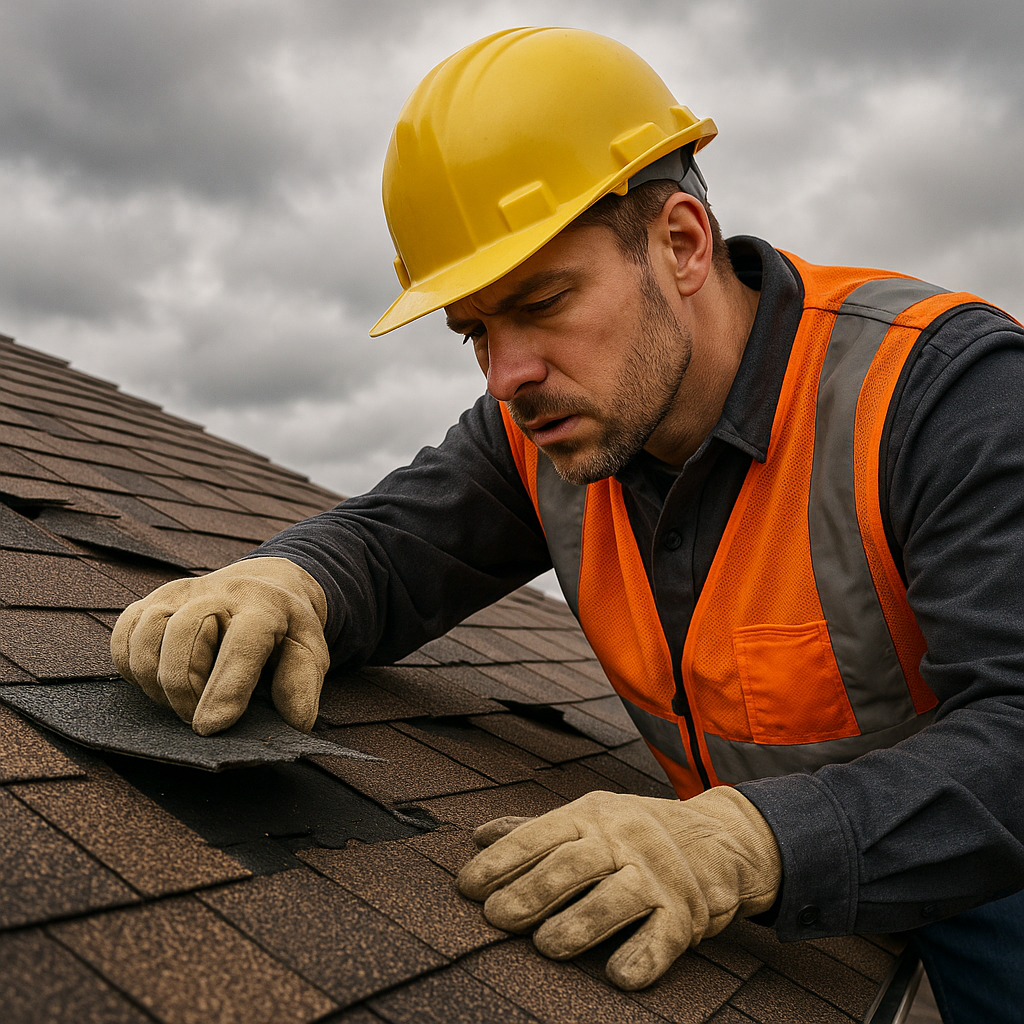
Wind storms can cause hidden damage to your roof that leads to costly leaks and structural issues—discover why a professional inspection could save you thousands in repairs.
Understanding Wind Damage: What Happens to Your Roof During a Storm
Wind storms are among the most common causes of residential roof damage in Western Pennsylvania. When high winds sweep across your property, they create uplift forces that test every component of your roofing system. Shingles, which rely on adhesive bonds and mechanical fasteners, can loosen or tear away completely when winds exceed their design specifications. To understand the full scope of how wind damage affects your roof and home exterior, wind speeds of 50 mph or higher can compromise even properly installed roofing materials, causing edge lifting, corner peeling, and complete shingle blow-off in severe cases.
The damage extends beyond just visible shingle loss. Wind-driven rain can penetrate beneath compromised roofing materials, saturating underlayment and roof decking. Flashing around chimneys, vents, and skylights—critical components that seal roof penetrations—can bend, loosen, or separate during high winds. These vulnerable transition points often suffer damage first, creating entry points for water infiltration that may not be immediately apparent. Learn more about common flashing problems and how they lead to water damage to better understand why these areas require prompt attention.
Understanding the mechanics of wind damage helps homeowners appreciate why professional assessment is essential. Modern roofing systems are engineered as integrated assemblies, where each layer plays a specific role in weatherproofing and structural protection. When wind disrupts this carefully designed system, the resulting damage may compromise multiple layers simultaneously, creating cascading vulnerabilities that require expert evaluation to fully assess.
Hidden Dangers: Why Wind Damage Isn't Always Visible from the Ground
One of the most dangerous misconceptions homeowners have after a windstorm is assuming that if they can't see damage from the ground, their roof is fine. The reality is that many critical wind-related issues are completely invisible from street level or even from your yard. Lifted shingles that haven't fully detached, compromised seal strips, granule loss on the shingle surface, and damaged underlayment all represent serious threats to your home's integrity—yet none may be apparent without a close-up inspection. Understanding signs of trapped moisture under shingles you shouldn't ignore can help homeowners appreciate just how much hidden damage can develop undetected.
Professional roofing contractors use specialized training and safety equipment to access roof surfaces safely and conduct thorough assessments. From the roof level, experienced inspectors can identify subtle indicators of wind damage: creased shingles that indicate uplift stress, loosened fasteners that compromise attachment integrity, and damaged self-sealing adhesive strips that will fail to bond properly. These details are impossible to detect from ground level, even with binoculars, yet they represent the difference between a roof that will continue protecting your home and one that will develop leaks during the next rainfall. Find out what to expect during a storm damage inspection of your roof to better prepare for the assessment process.
The hidden nature of wind damage also extends to structural components. High winds can stress roof decking, compromise truss connections, and damage ventilation systems—all while leaving the visible shingle surface looking relatively intact. Water infiltration from compromised areas may travel along rafters and sheathing before manifesting as interior ceiling stains, sometimes appearing far from the actual point of entry. By the time homeowners notice interior damage, the underlying problem has often existed for weeks or months, resulting in significantly more extensive and expensive repairs than would have been necessary with early detection. Understanding the true cost difference is explored in depth in preventative roof maintenance vs. costly water damage repairs.
The Cost of Waiting: How Minor Wind Damage Escalates Into Major Problems
Time is your enemy when it comes to wind-damaged roofing. What begins as a few lifted shingles or compromised flashing can rapidly evolve into a major restoration project if left unaddressed. Each subsequent rain event sends water beneath damaged areas, saturating roof decking and insulation. Moisture trapped in these materials creates ideal conditions for mold growth, wood rot, and structural deterioration—problems that extend far beyond simple shingle replacement and require extensive remediation. Learn why missing shingles from wind damage can quickly compromise your entire roof if not addressed promptly.
The financial implications of delayed action are significant. A prompt repair addressing wind-damaged shingles in a small area might cost a few hundred dollars. Allow that same damage to persist through multiple weather cycles, and you're looking at potential replacement of roof decking, insulation, and interior ceiling materials, with costs easily escalating into thousands of dollars. In severe cases where structural members have deteriorated due to prolonged water exposure, homeowners may face bills exceeding $10,000 or more for comprehensive restoration. Understanding the difference between replacement and repair after a storm can help you make the most cost-effective decision for your home.
Beyond direct repair costs, delayed response can jeopardize your insurance coverage. Most homeowner's policies require prompt reporting of storm damage and include provisions that exclude coverage for damage resulting from lack of maintenance or failure to mitigate known problems. If your insurance adjuster determines that a small amount of initial wind damage was left unaddressed, allowing secondary water damage to develop, your claim may be partially or fully denied. Understanding how storm damage roof inspections help prevent claim denials is essential—in Pennsylvania, homeowners typically have one year from the date of loss to file an insurance claim for storm damage, but waiting months before even having your roof inspected can complicate the claims process and reduce your likelihood of full coverage.
Energy efficiency also suffers when wind damage compromises your roofing system's integrity. Gaps, lifted shingles, and damaged underlayment allow conditioned air to escape while permitting outside air infiltration, forcing your HVAC system to work harder and driving up utility costs month after month. Recognizing the top signs of poor roof ventilation can help you identify when wind damage has crossed into affecting your home's energy performance. These hidden ongoing expenses add to the total cost of inaction, making prompt professional inspection a financially prudent decision.
What a Professional Roof Inspection Reveals After Storm Damage
A comprehensive post-storm roof inspection conducted by licensed professionals examines every component of your roofing system according to established industry protocols. Inspectors evaluate shingle condition across the entire roof surface, looking for signs of wind uplift, impact damage, granule loss, and seal strip failure. They assess the integrity of ridge caps, hip shingles, and starter strips—areas particularly vulnerable to wind damage due to their exposed positioning. Flashing around chimneys, vent pipes, skylights, and roof-to-wall transitions receives careful examination, as these critical waterproofing details often sustain damage during high winds.
Professional inspectors also evaluate components that homeowners rarely consider. Soffit and fascia boards are checked for wind damage that could compromise attic ventilation or create entry points for water and pests—understanding what soffits are and why they matter to your roofing system can help homeowners appreciate why this inspection step is so important. Gutter systems are assessed for displacement, separation from fascia boards, or debris accumulation that could cause water backup. Roof penetrations including plumbing vents, exhaust fans, and satellite dish mounts are examined to ensure their flashing and sealant remain intact. Attic spaces are inspected from below when accessible, looking for water stains, insulation displacement, or compromised ventilation that might indicate roof compromise.
The inspection process culminates in comprehensive documentation that serves multiple important purposes. Detailed reports with photographs provide the evidence needed to support insurance claims, clearly demonstrating the extent and nature of storm-related damage. These reports distinguish between pre-existing wear, maintenance issues, and acute storm damage—a critical distinction for insurance purposes. For homeowners, professional inspection reports provide clear understanding of their roof's condition and specific recommendations for necessary repairs or replacement, enabling informed decisions about protecting their investment.
With over 30 years of experience serving Pittsburgh and surrounding communities, professional roofing contractors understand the specific challenges Western Pennsylvania weather presents. Certified partnerships with manufacturers like Owens Corning ensure inspectors are trained to assess material performance according to industry standards and identify warranty-related concerns. This expertise translates to accurate assessments that homeowners can trust when making decisions about repairs, replacement, or insurance claims. Discover why Pittsburgh homeowners choose Bella Construction for roofing services and what sets their local expertise apart.
Protecting Your Investment: Next Steps After Your Post-Storm Inspection
Once your professional roof inspection is complete, prompt action is essential to protect your home and preserve your rights under your insurance policy. In Pennsylvania, homeowners should contact their insurance company as soon as possible after discovering storm damage, typically within days or weeks of the event. While Pennsylvania law generally allows up to one year to file a property damage claim, delays can complicate the claims process and make it harder to prove that damage resulted from a specific storm event rather than gradual deterioration. For a comprehensive walkthrough, review our guide on navigating the insurance claim process for storm damage repairs.
When contacting your insurance provider, have your professional inspection report ready. This documentation substantiates your claim with objective, expert assessment rather than subjective homeowner observations. The detailed photographs and technical descriptions in a professional report help adjusters understand the full scope of damage and reduce the likelihood of claim disputes. Many insurance companies will send their own adjuster to assess damage; having your independent professional inspection ensures you have comprehensive documentation if disagreements arise about the extent of covered damage. Learn how navigating the insurance claim process with local contractors can help you secure full coverage entitlement.
While your insurance claim is being processed, take reasonable steps to prevent further damage. This might include emergency tarping of severely damaged areas or temporary repairs to prevent water infiltration—expenses that are typically reimbursable under homeowner's policies as part of loss mitigation. Document all temporary protective measures with photographs and receipts. Avoid signing contracts or making commitments for permanent repairs until your claim is settled and you understand exactly what your insurance will cover.
For homeowners concerned about managing repair costs, flexible financing options can bridge gaps between insurance settlements and total project costs or provide payment solutions for uninsured repairs. Reputable contractors offer transparent pricing and work with trusted financial institutions to provide payment plans tailored to your budget, ensuring that necessary repairs aren't delayed due to short-term financial constraints. If you're weighing your options, explore tips on finding affordable roofers near you without sacrificing quality to make the most informed financial decision.
Selecting the right contractor for your post-storm repairs is crucial to restoring your home's protection and preserving your roof's warranty coverage. Look for licensed, insured professionals with established local presence and verifiable experience with your roofing system type. For detailed guidance, review our tips on choosing the right contractor for storm damage repairs to ensure you find a reliable professional. Contractors who offer comprehensive services—from initial inspection through project completion—provide continuity and accountability throughout the restoration process. End-to-end project management ensures that repairs are completed correctly, on schedule, and in compliance with building codes and manufacturer specifications, protecting both your immediate investment and long-term home value.